
For decades, sports science has viewed athletic performance and recovery through a relatively narrow lens: macronutrient ratios, glycogen replenishment, targeted stretching, and sleep hygiene. However, a paradigm shift is underway. Cutting-edge research is shifting focus from the muscles to the microbiome, revealing that an athlete's gut bacteria might be just as crucial to optimal recovery as their training regimen.
Recent scientific focus on specific probiotic strains, such as Lactobacillus kefiranofaciens, has opened up a new discourse on how engineered and targeted biotics can combat one of the most debilitating conditions in sports: Overtraining Syndrome (OTS).
The Threat of Overtraining Syndrome
In elite sports, the line between peak adaptation and chronic degradation is incredibly thin. High-intensity training is designed to disrupt homeostasis to force the body to adapt and grow stronger. However, when the volume and intensity of training consistently outpace the rate of physiological recovery, athletes risk sliding into Overtraining Syndrome.
OTS is not just simple muscle fatigue that can be resolved with a weekend of rest. It is a complex systemic condition characterized by:
-
Sustained physiological performance decline
-
Neuroendocrine imbalances and mood disturbances
-
Chronic systemic inflammation
-
Compromised immune function
Traditionally, the primary treatment for OTS has been forced, prolonged rest—a nightmare scenario for competitive athletes. This is why sports scientists are aggressively seeking proactive, biological interventions to prevent the body from reaching this tipping point.
Enter the Gut-Microbiota-Muscle Axis
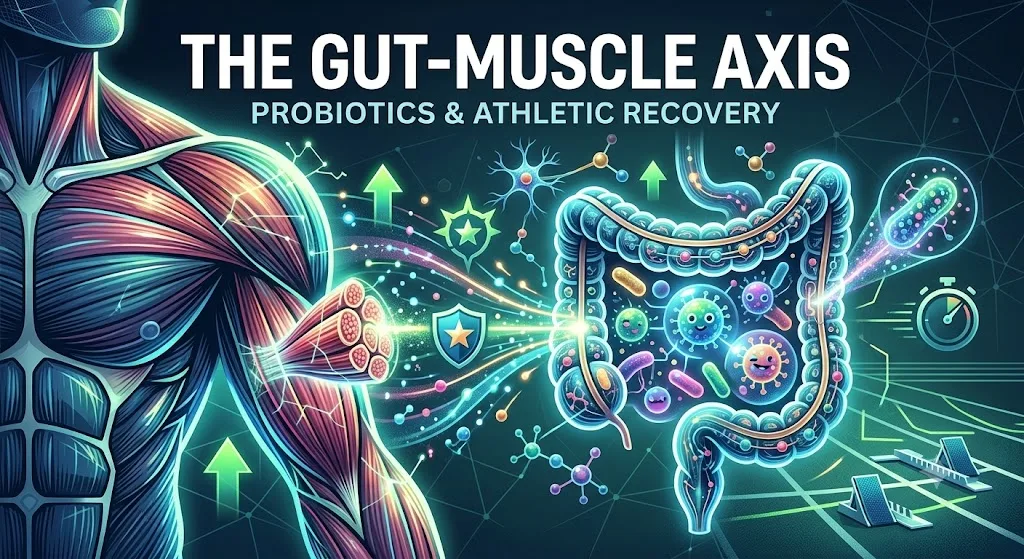
The human gut is home to trillions of microorganisms that influence everything from digestion to neurotransmitter production. In athletes, this system interacts directly with muscular and neurological systems through what is known as the gut-muscle axis.
When an athlete undergoes extreme physical stress, the integrity of the gut lining can be compromised—a phenomenon often referred to as "exercise-induced leaky gut." This allows inflammatory biomarkers and endotoxins to leak into the bloodstream, triggering systemic inflammation and compounding the muscle damage caused by training.
By introducing specific probiotic strains, athletes can actively manage this pathway. These targeted bacteria work by:
1. Attenuating Behavioral and Psychological Alterations
Overtraining frequently manifests as psychological burnout, anxiety, and depression due to disruptions in the central nervous system. The gut microbiome produces critical neurotransmitters (like serotonin and GABA). Targeted probiotics help stabilize the gut-brain axis, mitigating the mood disturbances and mental fatigue associated with heavy training cycles.
2. Modulating the Inflammatory Response
Probiotics help maintain the structural integrity of the intestinal barrier. By preventing the leakage of pro-inflammatory cytokines into the systemic circulation, they limit the cascade of chronic inflammation, allowing muscle tissue to repair more efficiently.
3. Optimizing Nutrient Utilization
An optimized microbiome enhances the absorption of critical micronutrients and amino acids, ensuring that the fuel an athlete consumes is actually utilized effectively for cellular repair and glycogen synthesis.
A New Era of "Engineered" Bio-Hacking
We are moving past the era of generic probiotics found in standard yogurts. The future of sports supplementation lies in precision biotics—identifying and isolating highly specific strains that target exact physiological markers.
Imagine a training ecosystem where an athlete’s microbiome is profiled alongside their bloodwork. If biomarkers indicate rising systemic stress or impending OTS, a tailored probiotic regimen can be deployed to fortify the gut barrier, suppress inflammatory pathways, and protect the nervous system before performance drops.
For athletes looking to maximize their career longevity and training volume, managing the gut is no longer optional. The next generation of podium finishes will not just be decided by who trains the hardest, but by who manages their microscopic internal ecosystem the most effectively.