Garlic has been utilized for millennia, not only as a culinary staple but also as a medicinal tool. In the modern era of sports nutrition and human performance optimization, the investigation into bioactive compounds found in allium vegetables has gained renewed interest. While often lauded in popular media as a natural performance enhancer, the reality of garlic's impact on athletes is complex, balancing potential physiological benefits against significant clinical considerations.
Cardiovascular Efficiency and Aerobic Capacity
One of the most robust areas of research regarding garlic involves its influence on cardiovascular health and aerobic performance. Endurance athletes rely heavily on efficient oxygen delivery to working muscles, a process dependent on blood viscosity and vessel elasticity.
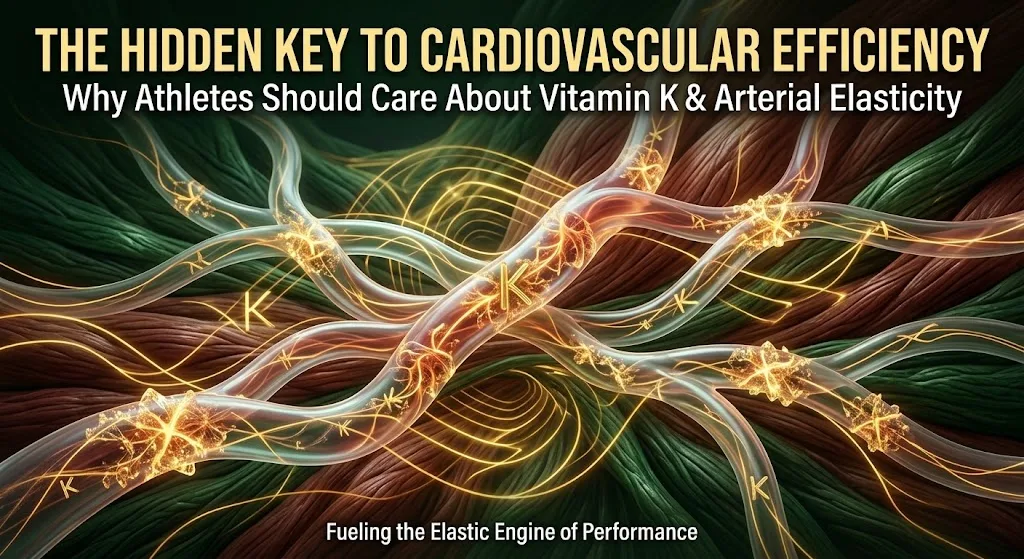
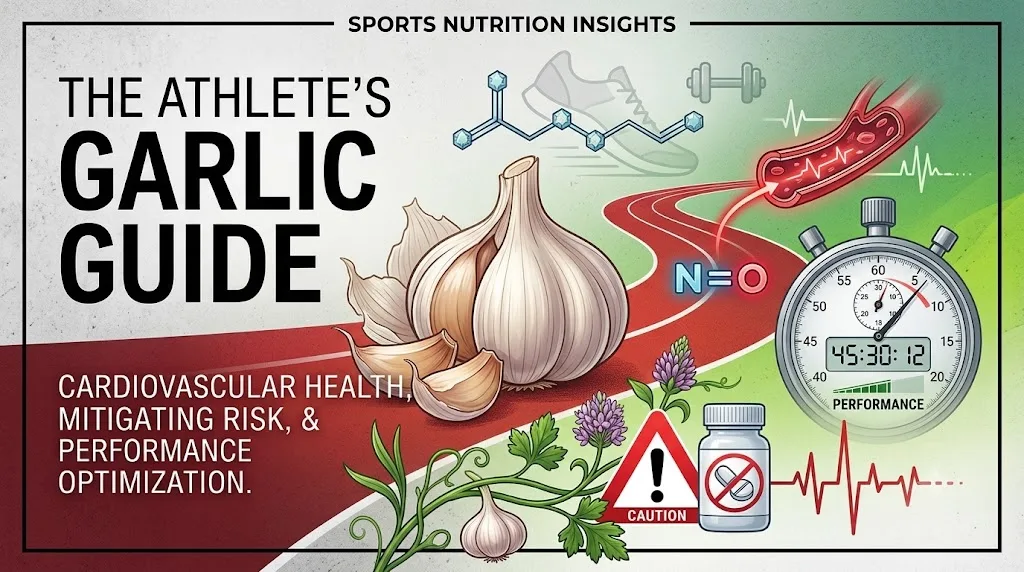
Garlic, particularly aged garlic extract, contains compounds that may influence nitric oxide production, which supports vasodilation—the widening of blood vessels. By improving arterial flexibility and reducing whole-blood viscosity, garlic may facilitate better blood flow, potentially enhancing oxygen delivery and nutrient transport during strenuous exercise. Some studies have indicated that garlic supplementation can lead to small but statistically significant improvements in VO2 max and lactate threshold in endurance athletes. These adaptations are theoretically beneficial for delayed fatigue and faster recovery times, though the magnitude of these effects in elite-level populations warrants further, high-quality investigation.
Hormonal Considerations and Natural Supplements
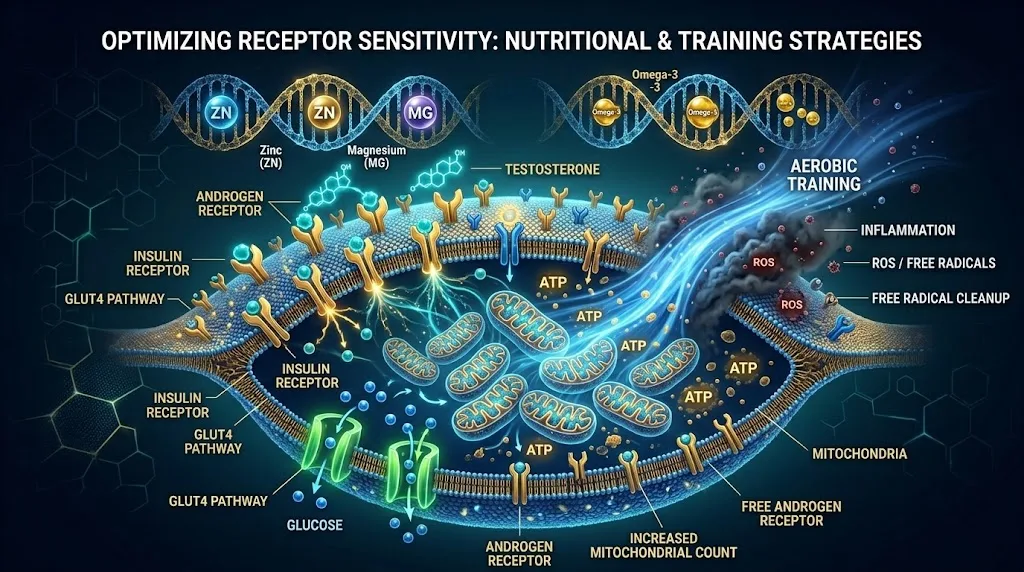
The relationship between garlic and testosterone is frequently discussed in fitness circles, often centered on its bioactive sulfur-containing compounds, such as diallyl disulfide. While certain preclinical studies on animal models have suggested that garlic extract might support testosterone levels by reducing oxidative stress within testicular Leydig cells or protecting them from damage, translating these findings to human performance is challenging.
Scientific consensus suggests that for healthy, hormonally balanced individuals, dietary garlic does not act as a potent anabolic agent or a substitute for clinical hormone therapy. Its primary utility in this arena may lie in its ability to support general systemic health—by reducing chronic inflammation and improving metabolic markers, it may help remove physiological "brakes" on the endocrine system. However, athletes should approach claims of "natural testosterone boosting" with extreme skepticism, as food sources are rarely capable of mimicking the physiological impact of pharmaceutical interventions.
Clinical Safety and Critical Drug Interactions
For the athlete, the most important aspect of introducing any supplement, including concentrated garlic extracts, is the potential for adverse drug interactions. Garlic possesses natural antiplatelet properties—it inhibits platelet aggregation, effectively acting as a mild blood thinner.
This is a critical consideration for athletes who may be on specific medications, including:
-
Anticoagulants (such as warfarin)
-
Antiplatelet agents (such as clopidogrel or high-dose aspirin)
-
Other blood-thinning therapies
Combining significant doses of garlic supplements with these medications can heighten the risk of excessive bleeding, both internally and externally. In contact sports, where the risk of trauma is elevated, this interaction is particularly concerning. Furthermore, any athlete managing a pre-existing cardiovascular condition, such as those who have undergone heart valve replacement, must exercise strict caution. In these cases, the pharmacological effects of concentrated supplements may interfere with the carefully calibrated therapeutic range of their prescribed medications.
Practical Recommendations for Athletes
Garlic remains a highly nutritious food that can be safely incorporated into a well-balanced diet to support cardiovascular health and reduce systemic inflammation. However, athletes should adhere to the following principles:
-
Prioritize Whole Foods: Incorporating garlic into daily meals provides health-promoting compounds without the unpredictable concentrations found in many over-the-counter supplements.
-
Consult Medical Professionals: Before beginning any supplement regimen, including garlic, athletes must consult with a team physician or sports medicine specialist. This is mandatory for anyone currently taking blood-thinning medications or managing chronic health conditions.
-
Evaluate Claims: Be wary of supplements marketed with hyperbolic claims regarding "testosterone boosting" or "performance breakthroughs." Performance optimization is primarily achieved through periodized training, adequate recovery, and consistent, high-quality nutrition.
Garlic is a valuable component of an athlete's diet, offering potential benefits for blood flow and long-term cardiovascular health. Yet, it should be viewed as a foundational dietary tool rather than a quick-fix ergogenic aid. Safety and informed decision-making remain the cornerstones of responsible sports nutrition.