In the pursuit of peak performance, optimal recovery, and robust immunity, modern athletes frequently turn to dietary supplements. Among the most popular are micronutrients like zinc and calcium, celebrated for their roles in immune function, testosterone production, and bone density. However, a growing body of sports nutrition research highlights a critical pitfall in this approach: the competitive nature of mineral absorption.
When athletes consume isolated minerals in high doses, they inadvertently risk disrupting the body’s delicate biochemical balance. Understanding how these micronutrients interact is essential for preventing deficiencies that can severely impair athletic performance and long-term health.
The Zinc-Copper Paradox and the Athlete’s Fatigue
Zinc is highly favored by endurance and strength athletes alike due to its vital role in cellular metabolism, protein synthesis, and tissue repair. Because intense exercise can increase zinc loss through sweat and urine, supplementation is common.
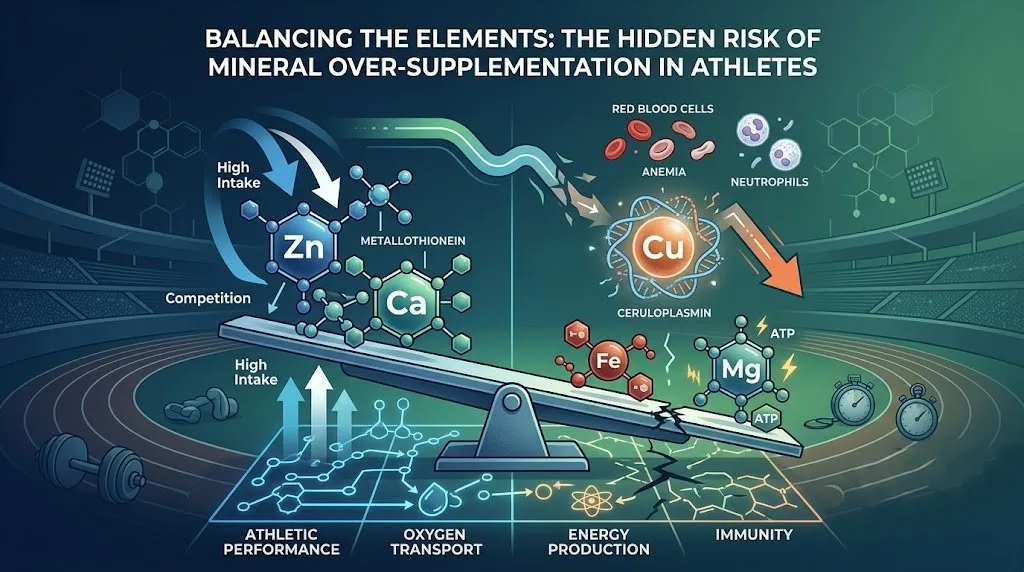
However, zinc shares a highly competitive absorption pathway with copper in the intestinal tract. Both minerals bind to metallothionein, a transport protein. When zinc levels are disproportionately high, it stimulates the overproduction of metallothionein, which preferentially binds to copper. This traps copper within the intestinal cells, preventing its absorption and eventually leading to systemic copper deficiency.
For an athlete, the clinical manifestation of zinc-induced copper deficiency can be devastating and easily misdiagnosed:
-
Microcytic Anemia and Fatigue: Copper is a critical component of ceruloplasmin, an enzyme required for iron transport and utilization. Without sufficient copper, iron cannot be effectively incorporated into hemoglobin. The resulting anemia impairs oxygen delivery to working muscles, leading to unexplained drops in stamina, premature fatigue, and shortness of breath during training.
-
Neurological Symptoms: Copper is vital for maintaining the myelin sheath that protects nerves. Deficiency can cause peripheral neuropathy, presenting as numbness, tingling, or a "pins and needles" sensation in the hands and feet—symptoms that might otherwise be mistaken for mechanical nerve compression or overtraining.
-
Neutropenia and Immunosuppression: A hallmark of severe copper deficiency is a significant drop in neutrophils (a type of white blood cell). While athletes often take zinc to avoid getting sick, chronic over-supplementation can paradoxically suppress the immune system, leaving them highly vulnerable to recurrent infections.
The Calcium Barrier: Compromising Iron and Magnesium
Similarly, calcium supplementation is widely utilized, particularly by female athletes and those in weight-category or aesthetic sports where caloric restriction puts them at risk for low bone mineral density (Relative Energy Deficiency in Sport, or REDs).
While crucial for bone health and muscle contraction, large boluses of calcium actively inhibit the absorption of both iron and magnesium.
1. The Iron Interaction
Calcium interferes with the absorption of both heme (animal-based) and non-heme (plant-based) iron when consumed concurrently. For athletes, who already face increased iron loss through hemolysis (the breaking of red blood cells from foot-strike impact), gastrointestinal bleeding during intense exertion, and sweating, this interference can rapidly accelerate the onset of iron deficiency non-anemia or iron deficiency anemia. The result is a profound decline in VO2 max and overall endurance.
2. The Magnesium Disruption
Calcium and magnesium act as physiological antagonists in muscle function—calcium signals muscle contraction, while magnesium promotes relaxation. They also compete for the same transport systems in the kidneys and intestines. Excessive calcium intake can diminish magnesium absorption and increase its excretion. A deficit in magnesium directly impairs ATP (cellular energy) production, increases the frequency of muscle cramps, and disrupts sleep quality, thereby hindering an athlete’s ability to recover between high-intensity training sessions.
Practical Strategies for Sports Nutritionists and Athletes
To maximize the benefits of micronutrient intake without triggering secondary deficiencies, athletic programs should adopt a cautious, systemic approach to supplementation:
-
Prioritize Food Competency: High-dose isolated supplements should not be the baseline. Whole foods naturally contain balanced ratios of micronutrients that rarely trigger competitive absorption issues.
-
Strategic Timing: If high-dose calcium or zinc supplements are clinically warranted, they should be taken at different times of day than iron or magnesium-rich meals and supplements. For instance, calcium should not be consumed alongside a post-workout, iron-rich recovery meal.
-
Comprehensive Biomarker Screening: When athletes present with chronic fatigue, tingling extremities, or unusual shortness of breath, diagnostic blood work should extend beyond standard iron panels. Checking full blood counts (for neutropenia), ceruloplasmin, serum copper, and zinc levels can reveal the underlying trace mineral imbalances.
-
Proportional Supplementation: If long-term zinc supplementation is required for a specific therapeutic reason, it should generally be paired with a proportional dose of copper (typically a 10:1 or 15:1 zinc-to-copper ratio) to maintain intestinal equilibrium.
Ultimately, more is not inherently better in sports nutrition. For the modern athlete, performance optimization relies not just on loading the body with individual nutrients, but on maintaining the delicate harmony between them.