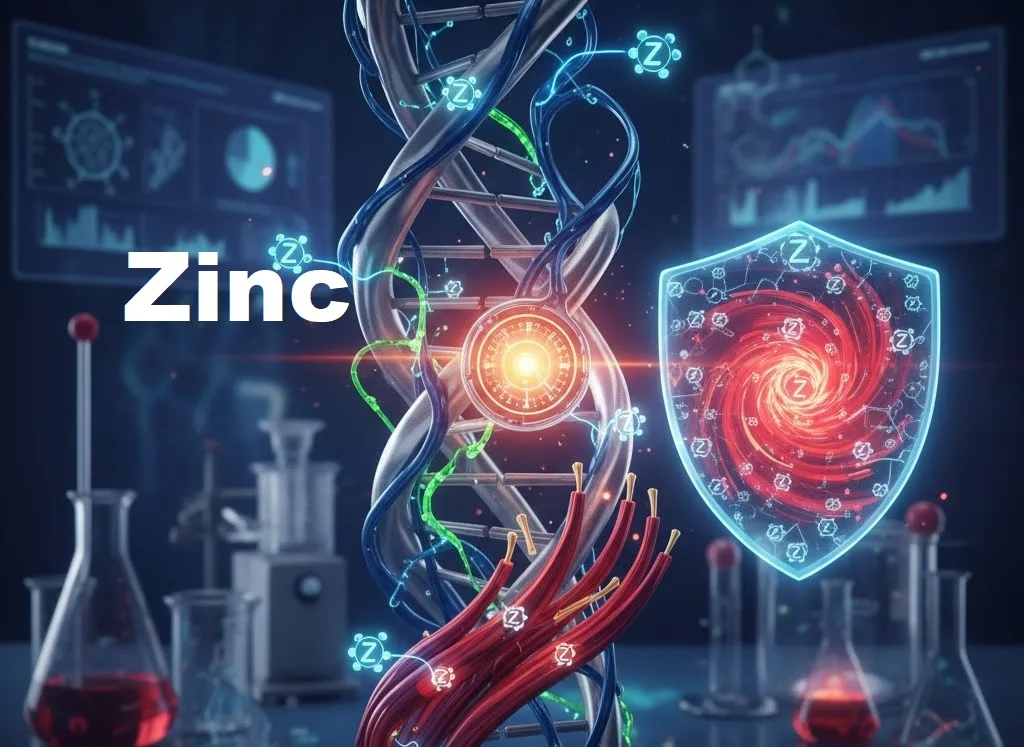
In the high-stakes world of competitive sports, the difference between a podium finish and a mid-pack result often hinges on the microscopic. While athletes meticulously track their macronutrients and training volumes, a silent regulator of performance and recovery often goes overlooked: Zinc.
This essential trace mineral is not merely a supplement for immune health; it is a critical physiological anchor for athletes, serving as a cofactor for over 300 enzymes that govern everything from DNA synthesis to muscle repair and, crucially, the regulation of the body’s primary stress hormone, cortisol.
The Biological Tug-of-War: Zinc and Cortisol
For an athlete, cortisol is a double-edged sword. In the short term, it mobilizes energy and manages inflammation during intense bouts of exercise. However, chronically elevated cortisol—often triggered by overtraining or physiological stress—is catabolic, meaning it breaks down muscle tissue, suppresses the immune system, and stalls recovery.
Zinc plays a pivotal role in maintaining the balance of the Hypothalamic-Pituitary-Adrenal (HPA) axis. Research suggests that zinc deficiency can lead to a dysregulated stress response, causing cortisol levels to remain elevated longer than necessary. When zinc levels are suboptimal, the body loses its ability to "buffer" the hormonal spikes induced by strenuous training. This creates a state of internal physiological stress that can mimic the symptoms of overtraining syndrome before the athlete even hits the gym.
Muscle Regeneration and Metabolic Efficiency
Beyond its role in stress management, zinc is a cornerstone of skeletal muscle health. It is essential for myogenesis—the formation and repair of muscle tissue. During intense exercise, muscles undergo micro-trauma. Zinc-dependent enzymes, such as various metalloproteinases, are required to activate the satellite cells responsible for repairing this damage.
Furthermore, zinc is a key component of carbonic anhydrase and lactate dehydrogenase, enzymes critical for:
-
Acid-Base Balance: Helping the body clear carbon dioxide and manage the "burn" of lactic acid.
-
Aerobic Capacity: Ensuring efficient oxygen uptake during endurance activities.
A deficiency doesn't just make an athlete feel "stressed"; it physically limits their power output and endurance by slowing down the chemical reactions required for peak movement.
The Athlete’s Risk: Why Deficiency is Common
Athletes are at a significantly higher risk for marginal zinc deficiency than the general population for three primary reasons:
-
Increased Loss: Zinc is lost through sweat and urine during prolonged or high-intensity training.
-
Nutritional Gaps: Many athletes follow restrictive diets (low-calorie for weight-class sports or high-carbohydrate/low-fat) that often lack bioavailable zinc sources like red meat and shellfish.
-
Physiological Redistribution: During exercise, the body shifts zinc from the plasma into red blood cells to combat oxidative stress, which can leave other systems temporarily depleted.
Optimization Strategies
To maintain the "strength" required for elite performance, athletes should focus on a multi-faceted approach to zinc homeostasis:
-
Intracellular Testing: Standard serum zinc tests are often unreliable for athletes because plasma levels can fluctuate based on recent exercise. Assessing erythrocyte (red blood cell) zinc provides a more accurate picture of long-term status.
-
Nutritional Synergy: Prioritizing zinc-rich foods such as oysters, beef, pumpkin seeds, and lentils is the first line of defense.
-
Strategic Supplementation: For those in high-volume training phases, a daily intake of 30–50 mg of a highly bioavailable form (like zinc picolinate or bisglycinate) may be necessary, ideally balanced with a small amount of copper to prevent secondary deficiencies.
Conclusion
In the pursuit of peak performance, the ability to stay "stronger than ever" is not just about mental grit; it is about biochemical resilience. By ensuring adequate zinc levels, athletes can lower their physiological stress burden, optimize their hormonal profile, and ensure that every hour of training translates into tangible gains rather than chronic fatigue.