Understanding Post-Injection Pain and Ester Pharmacology in Performance Enhancement - Featured image for article about steroid education
January 9, 20265 min

Understanding Post-Injection Pain and Ester Pharmacology in Performance Enhancement

FitKolik

FitKolik

Published on January 9, 2026

In the high-stakes world of competitive athletics and bodybuilding, the focus is often placed on training methodologies, rigorous nutritional protocols, and recovery strategies. However, for those who utilize chemical performance enhancement, there is a darker, often undiscussed reality: the management of pain associated with the administration of these substances.

Intramuscular injections are the standard delivery method for most anabolic steroids. Ideally, this process is painless and leaves no lasting effects other than the intended hormonal response. In reality, many athletes suffer from debilitating Post-Injection Pain (PIP), localized inflammation, and sometimes a systemic inflammatory response known colloquially as "test flu."

Understanding why this occurs requires diving into the biochemistry of the substances themselves. The severity of the injection-site reaction is often directly correlated with a specific chemical characteristic of the compound used: the length of the attached ester chain.

The Role of the Ester

Raw, un-esterified steroid hormones (like pure testosterone "suspension") are biologically active immediately upon entering the bloodstream. However, they have an incredibly short half-life, being metabolized by the liver within hours. For an athlete, this would necessitate multiple injections per day to maintain stable blood serum levels, which is impractical and unsustainable.

To solve this, pharmaceutical chemists attach a carboxylic acid chain to the hormone molecule at a specific position (usually the 17-beta hydroxyl group). This chain is called an ester.

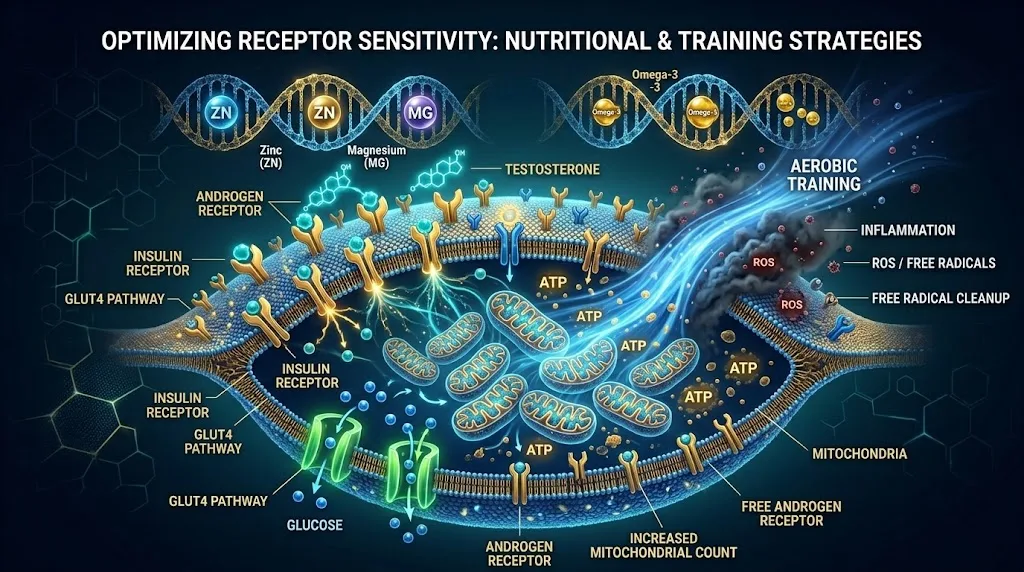
Think of the hormone as a vehicle and the ester as a trailer attached to it. As long as the trailer is attached, the vehicle cannot be parked in the garage (the androgen receptor). Once injected into the muscle, enzymes in the body called esterases slowly work to "unhook" the trailer. Only once the ester chain is cleaved off does the hormone become active and enter the bloodstream.

The primary purpose of the ester is to control the time release of the drug. The length and complexity of that ester chain determine how long it takes for the enzymes to do their job.

The Chemistry of Inflammation: Short vs. Long Chains

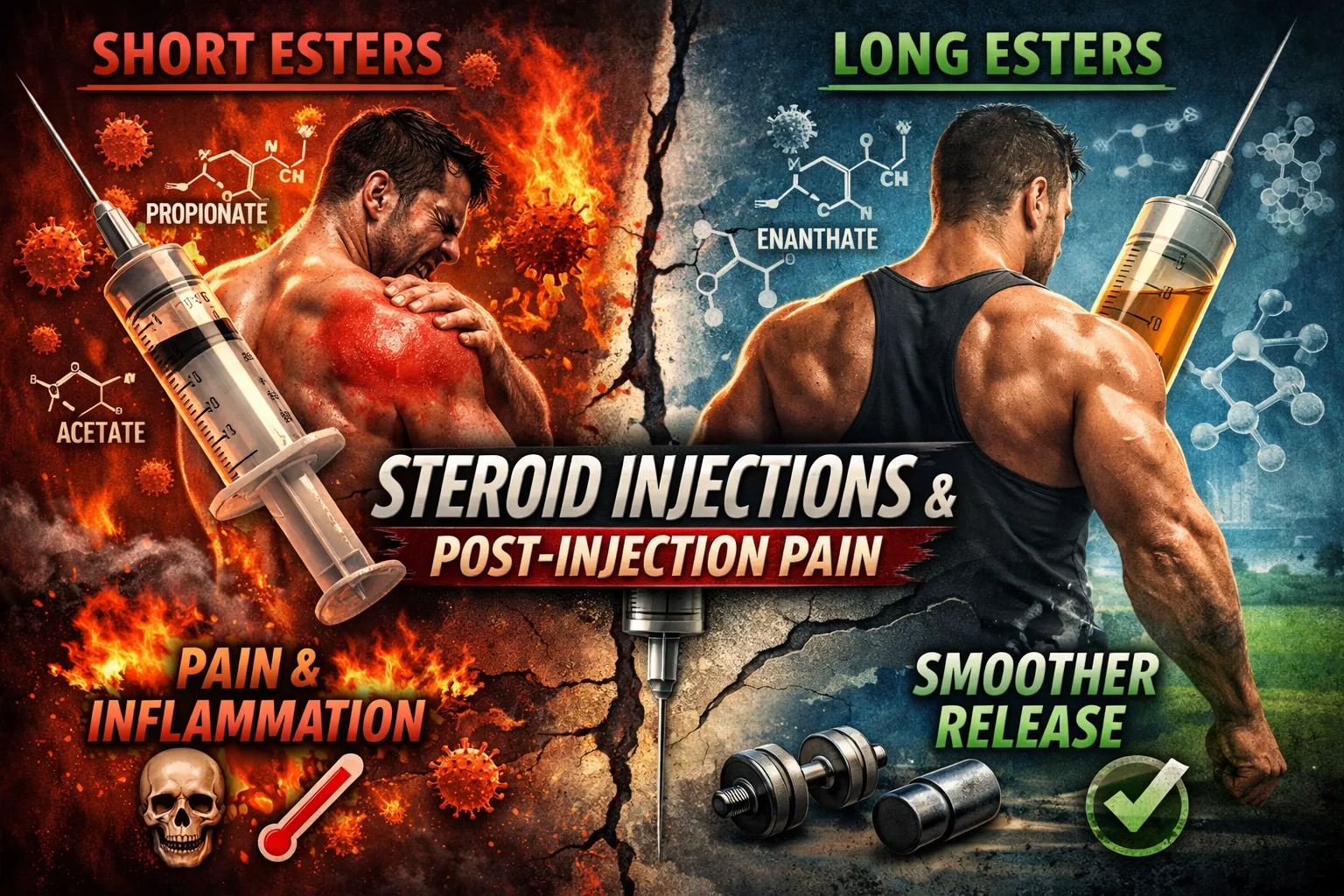
The fundamental rule in steroid pharmacology regarding PIP is simple: The shorter the ester chain, the higher the probability of localized pain and inflammation.

Conversely, longer ester chains are generally considered "smoother," resulting in less irritation and a lower incidence of systemic fever responses.

The Short-Ester Irritants (e.g., Propionate, Acetate)

Short esters, such as propionate or acetate, have very short chemical "tails." They are cleaved rapidly, releasing the active hormone quickly into the system. This is desirable for athletes requiring rapid onset of action or those subject to drug testing who need the substances to clear their system quickly.

However, this comes at a cost. The mechanism for the increased pain is twofold:

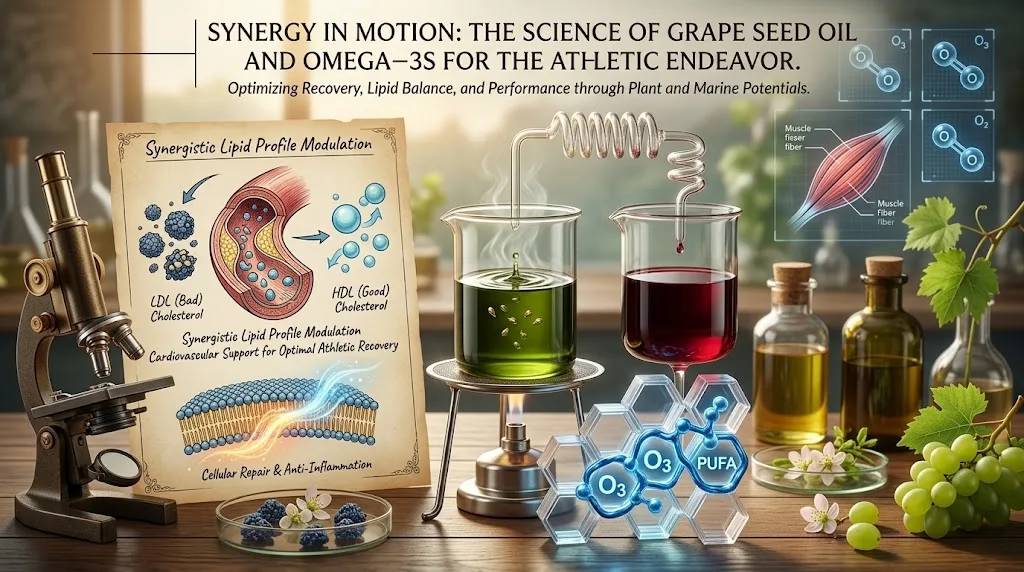
  1. The Solvent Factor: Short-chain esters often have poor solubility in the carrier oils used for injection (such as grapeseed or cottonseed oil). To force them to dissolve and remain suspended in the solution, pharmaceutical manufacturers (and underground labs) must use higher concentrations of powerful solvents like benzyl alcohol and benzyl benzoate. These solvents are caustic to human tissue. When injected into a muscle belly, high concentrations of these solvents cause immediate chemical irritation, leading to swelling, redness, and significant pain.

  2. Rapid Cleavage and "Crash": Because the ester is removed so quickly, there is a sudden, localized flood of the raw hormone at the injection site. Sometimes, the hormone can temporarily "crash" out of the oil solution and crystallize within the muscle tissue before being absorbed. The body’s immune system views these micro-crystals as foreign invaders, mounting an acute inflammatory attack. This rush of inflammatory markers can also trigger a low-grade fever—the infamous "test flu"—usually occurring 24 to 48 hours post-injection.

The Long-Ester Advantage (e.g., Enanthate, Cypionate, Decanoate)

Longer ester chains are heavier, more complex molecules. They are generally more oil-soluble, requiring lower concentrations of harsh solvents to create a stable product. Furthermore, because it takes enzymes much longer to cleave these long chains, the active hormone is released slowly and steadily into the bloodstream over many days or weeks.

This gradual release prevents the sudden shock to the local tissue and the immune system, resulting in a much smoother injection experience with minimal PIP.

The Athlete's Strategic Trade-Off

The choice of ester is rarely random; it is a strategic decision based on the athlete's goals and timeline.

An off-season bodybuilder or powerlifter looking for sustained growth over several months will almost always prefer long esters (like Testosterone Enanthate or Nandrolone Decanoate). The reduced injection frequency (once or twice weekly) and the lack of crippling muscle soreness allow them to train heavy without impediment. A squat session is impossible if the athlete cannot bend their leg due to a severe reaction in the quadriceps from a short-ester injection the day prior.

Conversely, an athlete approaching a competition, where timing is critical and drug clearance is paramount, may opt for short esters despite the discomfort. They accept the PIP, inflammation, and potential "flu-like" symptoms as the price of precise timing and rapid clearance.

Conclusion

While the general public views performance enhancement solely through the lens of results—muscle gained or records broken—the practical reality for the athlete involves a complex understanding of pharmacology. The management of inflammation is as crucial as the management of training load.

Pain at an injection site is not merely an annoyance; it is a physiological signal of tissue irritation that can hamper athletic performance. Understanding the relationship between ester chain length and this inflammatory response allows athletes to make informed decisions about which compounds suit their specific needs, balancing the desire for rapid results with the necessity of maintaining physical functionality.