
In the high-stakes world of elite sports, optimizing the hormonal landscape is a constant pursuit. Traditionally, the focus for male athletes, particularly those in strength and power disciplines, has been almost exclusively on maximizing testosterone. Estrogen, often labeled a "female hormone," is typically viewed with suspicion—a potential source of water retention, fat gain, and reduced performance.
However, emerging research and a deeper understanding of human physiology suggest this binary view is flawed. For athletes striving for peak performance, cardiovascular health, and musculoskeletal integrity, estrogen is not an enemy to be eliminated; it is a critical, though silent, partner.
The Vasculature: Where Estrogen Powers the "Pump"
One of the most immediate visual and physiological indicators of a productive resistance training session is the "muscle pump"—the engorgement of muscles with blood. While often dismissed as a temporary aesthetic phenomenon, the pump is a marker of hyperaemia, which facilitates nutrient delivery and metabolite removal. Estrogen plays a vital role in this process.
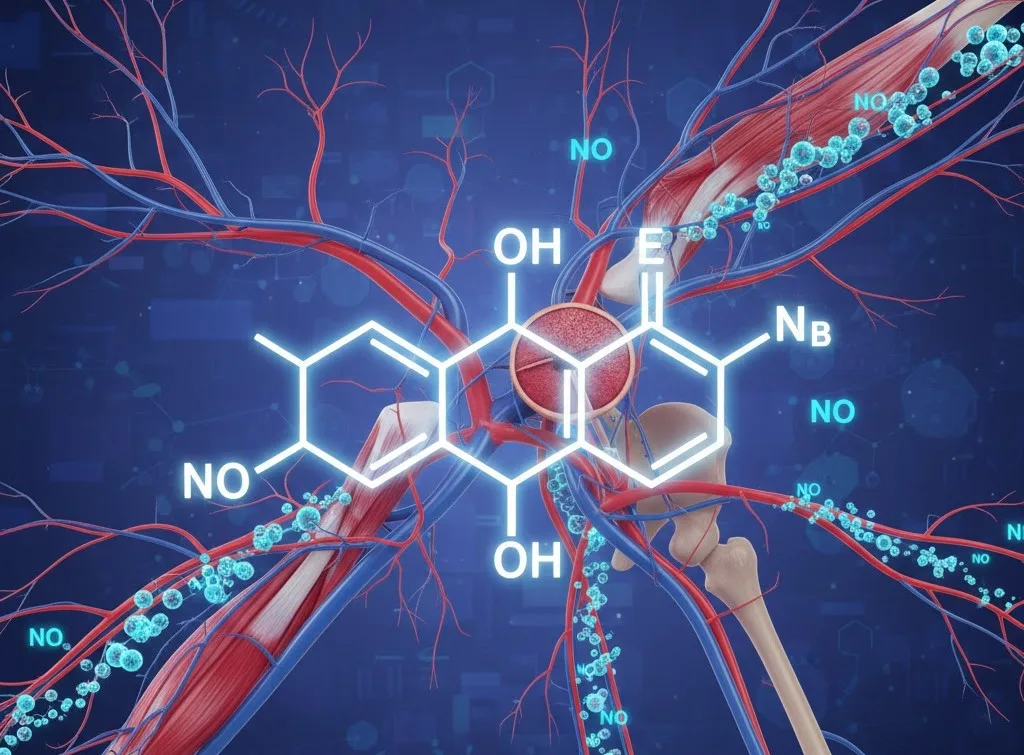
Estrogen directly acts on the vascular endothelium—the lining of blood vessels—to stimulate the activity of an essential enzyme: Nitric Oxide Synthase (NOS). This enzyme is responsible for synthesizing Nitric Oxide (NO), a powerful signaling molecule that causes the smooth muscles surrounding blood vessels to relax. This relaxation results in vasodilation, increasing the diameter of the arteries and significantly improving blood flow.
For an athlete under intense physical exertion, this enhanced blood flow translates directly to improved oxygen delivery to working tissues, faster removal of performance-inhibiting lactic acid, and enhanced delivery of the amino acids and glucose necessary for hypertrophy and repair. Athletes who, through pharmaceutical intervention, "crush" their estrogen levels to near-zero often report a significant decrease in their ability to achieve a muscle pump, even when using potent androgens.
Musculoskeletal Health and Recovery
Beyond its impact on blood flow, estrogen is a cornerstone of skeletal health for all human beings, regardless of sex. While testosterone receives the credit for bone mineral density in men, the bioavailable form of estrogen, estradiol, is actually a stronger predictor of bone density in male collegiate athletes. Estrogen deficiencies, whether caused by extreme dietary restriction (common in endurance sports emphasizing leanness) or aromatase inhibitor abuse, dramatically increase the risk of stress fractures, osteopenia, and osteoporosis.
Estrogen also appears to offer significant protective effects against muscle damage. Studies indicate that estrogen acts as a potential antioxidant and membrane stabilizer, reducing the degree of exercise-induced muscle damage and inflammation. This means that athletes with sufficient estrogen levels may recover more quickly between training sessions, allowing for greater training volume and faster adaptation.
Finding the Hormonal Sweet Spot
The key to hormonal optimization is not eradication, but balance. While chronically elevated estrogen levels can indeed cause undesirable side effects, such as excessive water retention (which can hinder agility and aesthetic presentation) or increased body fat percentage, a complete lack of estrogen is arguably more detrimental to an athlete's long-term health and short-term performance.
Modern sports science is beginning to emphasize a more nuanced approach. Instead of attempting to manipulate a single hormone in isolation, the focus must shift to the entire endocrine ecosystem. An athlete with high testosterone but crushed estrogen is likely operating with suboptimal blood flow, slower recovery times, and fragile bones. An athlete with a balanced ratio is better positioned for sustainable growth, resilient health, and peak performance.
Estrogen is not a performance inhibitor; it is a physiological necessity. For athletes and coaches, recognizing this hormone's multifaceted role is crucial for unlocking the final percentages of athletic potential while safeguarding the athlete's body for the long haul.