In the pursuit of peak athletic performance, particularly in strength-based and physique-focused sports, athletes often explore various avenues to optimize their physiological state. Among these, the manipulation of hormone levels, while complex and often fraught with risk, sometimes enters the conversation. One substance that occasionally surfaces in these discussions is Letrozole, an aromatase inhibitor. However, a deeper understanding reveals why its use, especially without medical supervision, can be detrimental to an athlete's overall health and performance.
Letrozole is primarily a medication designed to reduce estrogen production by inhibiting the aromatase enzyme, which converts androgens into estrogens. In a clinical setting, it's used to treat certain types of breast cancer. In the context of athletic enhancement, some individuals might consider using it to mitigate estrogen-related side effects from exogenous anabolic steroid use, such as gynecomastia (enlarged breast tissue) or water retention. The premise is that by reducing estrogen, a "harder," more defined look can be achieved, and certain adverse effects can be avoided.
However, this approach overlooks the crucial roles that estrogen and Insulin-like Growth Factor 1 (IGF-1) play in the athlete's body. Estrogen, often viewed simplistically as a "female" hormone, is vital for both men and women. In male athletes, adequate estrogen levels are critical for bone health, joint integrity, cardiovascular function, and even libido. A severe reduction in estrogen, particularly to very low levels, can lead to decreased bone mineral density, increasing the risk of stress fractures and long-term osteoporosis. It can also cause joint pain and stiffness, impairing training quality and increasing injury susceptibility. Furthermore, estrogen plays a role in mood regulation and cognitive function, which are essential for focus and mental resilience in competitive environments.
Even more significant for muscle growth and recovery is the impact on IGF-1. IGF-1 is a potent anabolic hormone, structurally similar to insulin, that plays a key role in childhood growth and continues to have anabolic effects in adults. It is deeply involved in muscle hypertrophy (growth), repair, and regeneration. IGF-1 stimulates the proliferation and differentiation of satellite cells – quiescent stem cells located on the periphery of muscle fibers. When muscle damage occurs from intense training, satellite cells are activated, multiply, and fuse with existing muscle fibers, or with each other, to form new fibers. This process is fundamental to muscle repair and growth.
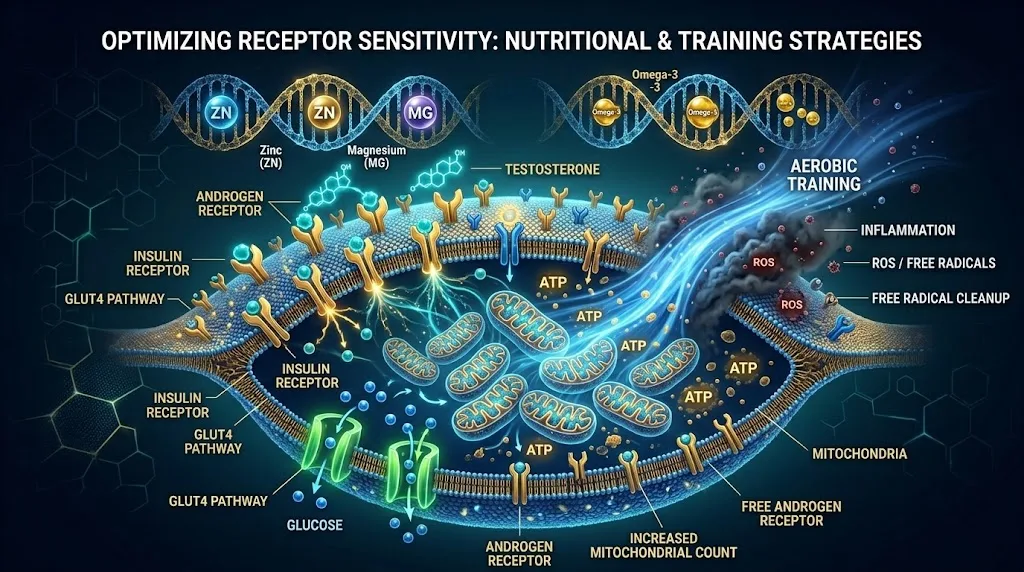
Research also suggests that IGF-1 can positively influence the expression and sensitivity of androgen receptors. Androgen receptors are proteins within cells that bind to male hormones like testosterone. When testosterone binds to these receptors, it triggers a cascade of events leading to increased protein synthesis and muscle growth. If IGF-1 levels are severely suppressed, as can happen with high doses of Letrozole, the effectiveness of endogenous or exogenous androgens might be diminished, making muscle-building efforts less productive.
Therefore, while the short-term goal of reducing estrogen might seem appealing for aesthetic reasons or to counter certain side effects, the broader physiological consequences are detrimental to an athlete's long-term health and performance. A severe reduction in both estrogen and IGF-1 would not only hinder muscle growth and recovery but also compromise bone health, joint function, and potentially cardiovascular well-being. This creates a state where the body is less resilient, more prone to injury, and ultimately less capable of adapting to the demands of intense athletic training.
In conclusion, the pursuit of an optimal hormonal environment for athletic performance is a nuanced endeavor. The indiscriminate use of medications like Letrozole, aimed at drastically altering natural hormonal balances, often leads to a cascade of negative effects that undermine the very goals athletes strive to achieve. A holistic approach focusing on proper training, nutrition, rest, and natural hormonal support, under qualified medical guidance, remains the safest and most effective path to sustainable athletic excellence.

February 16, 20264 min
The Risks of Letrozole for Athletes: Estrogen, IGF-1, and Performance

FitKolik
Published on February 16, 2026
How the aromatase inhibitor Letrozole can negatively impact an athlete's health and performance by suppressing estrogen and IGF-1.