In the demanding world of professional and amateur sports, athletes meticulously fine-tune every aspect of their training, diet, and recovery. While macronutrients like protein and carbohydrates often dominate the conversation, and popular micronutrients such as iron and vitamin D receive considerable attention, an often-overlooked trace mineral, selenium, plays a critical, multifaceted role in optimizing athletic performance, protecting against disease, and accelerating recovery.
Selenium is an essential trace mineral, meaning the body requires it in small amounts but cannot produce it on its own. Its primary function stems from its incorporation into selenoproteins, a class of enzymes with diverse biological activities, most notably powerful antioxidant capabilities. For athletes, who inherently experience higher levels of oxidative stress due to intense physical exertion, these antioxidant properties are paramount.
The Antioxidant Advantage: Combating Exercise-Induced Stress
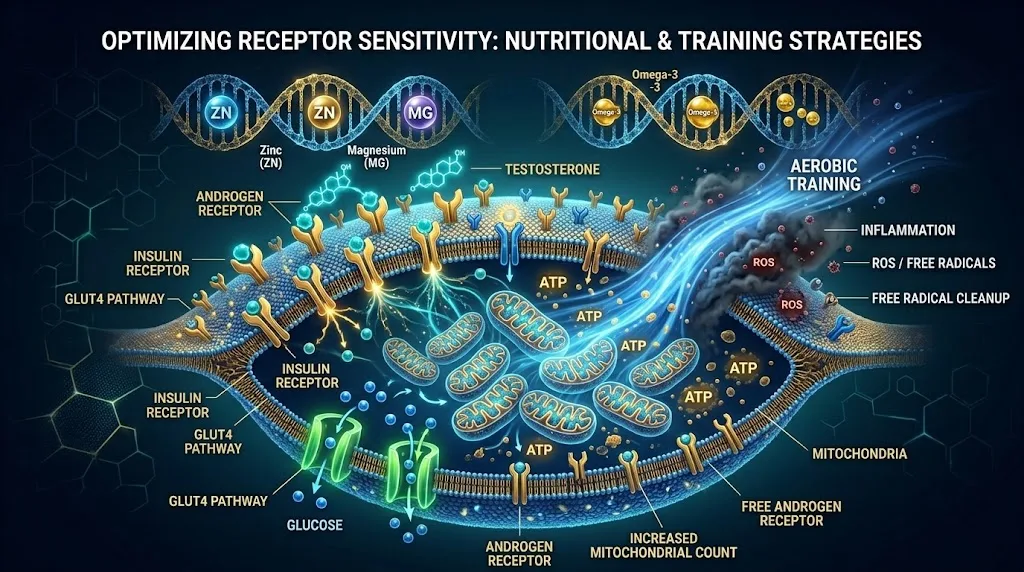
Strenuous exercise, while beneficial, inevitably leads to an increase in the production of reactive oxygen species (ROS), commonly known as free radicals. This surge in ROS can cause oxidative damage to cells, proteins, and DNA, contributing to muscle fatigue, prolonged soreness, and a heightened risk of injury. Selenoproteins, particularly glutathione peroxidases, are crucial in neutralizing these free radicals, thereby mitigating oxidative stress. By supporting the body's natural defense mechanisms, adequate selenium intake can help athletes maintain cellular integrity, reduce muscle damage, and potentially shorten recovery times between intense training sessions or competitions. This protective effect allows athletes to train harder and more consistently, pushing their limits without succumbing to the debilitating effects of unchecked oxidative stress.
Beyond Antioxidants: Immune Function and Thyroid Health
The immune system of an athlete is constantly under siege. Intense training can temporarily suppress immune function, creating an "open window" during which athletes are more susceptible to infections like the common cold or flu. Selenium plays a vital role in modulating the immune response, supporting the function of various immune cells and enhancing the body's ability to fight off pathogens. A robust immune system is critical for consistent training and competition, ensuring that athletes remain healthy and able to perform at their peak.
Furthermore, selenium is indispensable for proper thyroid function. The thyroid gland produces hormones that regulate metabolism, energy production, and body temperature—all critical factors in athletic performance. Selenium is required for the conversion of the inactive thyroid hormone (T4) to its active form (T3), and it also protects the thyroid gland from oxidative damage. A well-functioning thyroid ensures optimal energy levels, efficient nutrient utilization, and stable body weight, all of which are fundamental to an athlete's physical capabilities.
Fertility and Beyond: A Broader Impact
While perhaps not immediately linked to athletic performance, selenium also plays a significant role in reproductive health, particularly male fertility. For professional athletes who might be considering family planning, maintaining optimal selenium levels is an important, albeit often overlooked, aspect of overall health.
The Double-Edged Sword: The Importance of Balance
Despite its numerous benefits, it is crucial to recognize that selenium, like many micronutrients, operates within a narrow therapeutic window. Both deficiency and excess can lead to adverse health outcomes. While selenium deficiency can impair athletic performance and overall health, over-supplementation (selenosis) can be toxic, leading to symptoms such as hair loss, nail brittleness, skin lesions, neurological problems, and in severe cases, even affecting the prostate gland. The emphasis for athletes, therefore, should be on achieving optimal, not excessive, intake.
Dietary sources of selenium include Brazil nuts (an exceptionally rich source), seafood, organ meats, poultry, and certain grains, with the selenium content often varying depending on the soil content where the food was grown. Athletes seeking to ensure adequate intake should focus on a balanced diet rich in these foods. Supplementation should always be approached with caution and, ideally, under the guidance of a sports nutritionist or healthcare professional who can assess individual needs and prevent potential toxicity.
In conclusion, selenium is far more than just another mineral; it is a critical component of an athlete's physiological resilience. By bolstering antioxidant defenses, supporting immune function, and optimizing thyroid health, selenium helps athletes train harder, recover faster, and perform consistently at their highest level. Understanding and respecting the delicate balance of this powerful trace mineral is key to unlocking its full potential as an unsung hero in the pursuit of athletic excellence.