Protecting Kidney Health During Anabolic Cycles - Featured image for article about steroid education
January 10, 20266 min

Protecting Kidney Health During Anabolic Cycles

FitKolik

FitKolik

Published on January 10, 2026

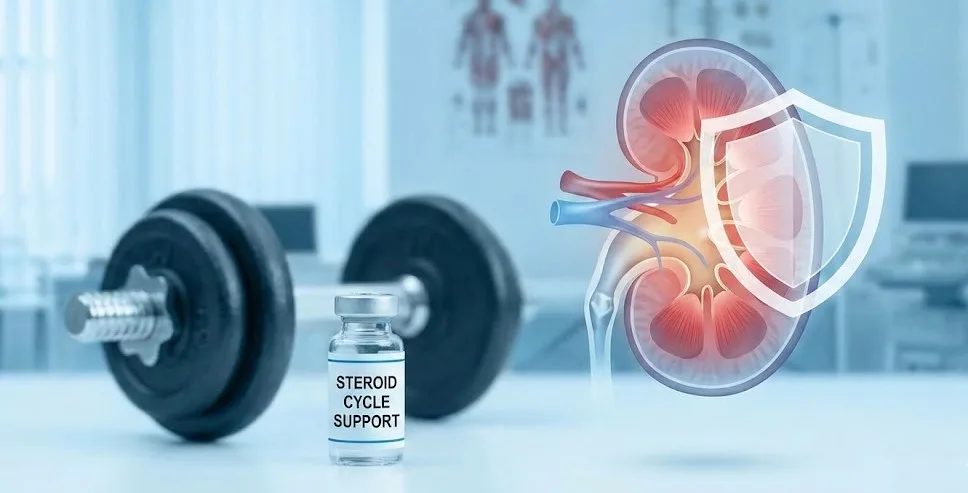
One of the most overlooked yet highly vulnerable organs during an anabolic steroid cycle is the kidney. While many users focus on liver toxicity and cardiovascular strain, the kidneys are often "silent victims." Damage can accumulate unnoticed until it reaches a critical stage.

Why the Kidneys are at Risk During a Cycle

1. Chronic Hypertension (High Blood Pressure)

Elevated blood pressure is the most common side effect of anabolic androgenic steroids (AAS). Hypertension puts immense pressure on the glomeruli (the kidney’s microscopic filtration units). Over time, this pressure leads to scarring (glomerulosclerosis) and a diminished ability to filter waste, paving the way for chronic kidney disease (CKD).

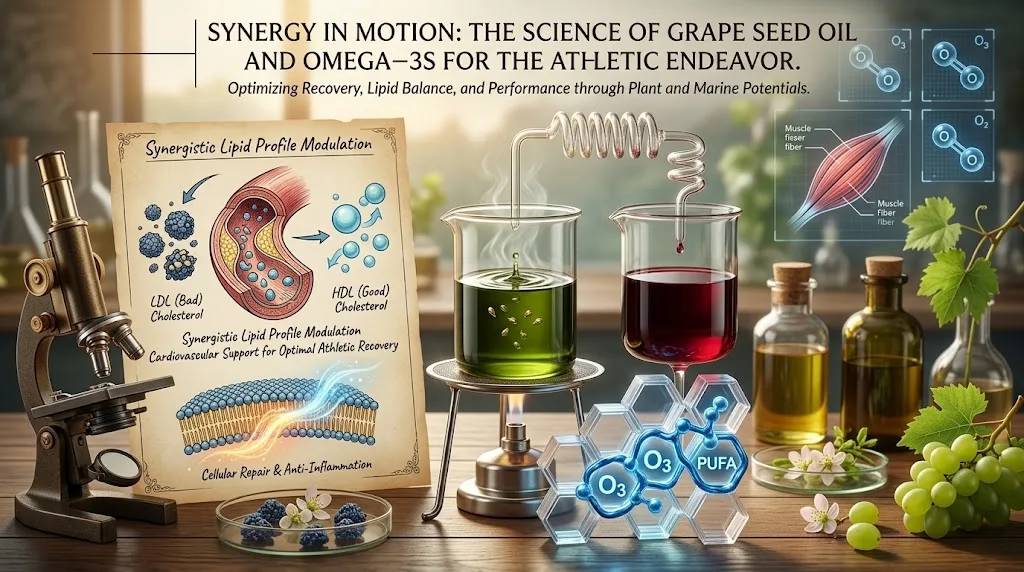
2. Altered Lipid Profiles and Hormonal Shifts

AAS use frequently leads to dyslipidemia (high LDL, low HDL), which damages the delicate renal arteries. Furthermore, high androgen levels can disrupt renal hormone signaling, worsening sodium and water retention, which further exacerbates hypertension.

3. Polycythemia and Blood Viscosity

Many steroids—particularly compounds like Testosterone, Boldenone, and Nandrolone—stimulate erythropoiesis (the production of red blood cells). While this boosts endurance, it also increases hematocrit levels. Thickened, viscous blood increases the risk of microvascular damage within the kidneys.

4. Nephrotoxic Compounds and Lifestyle Stress

Certain oral steroids and ancillary drugs are metabolized through the kidneys. When combined with the high-protein diets, chronic dehydration, and heavy NSAID (painkiller) use common in the fitness community, the risk of drug-induced nephrotoxicity rises significantly.


Screening and Diagnostics: Understanding the Markers

To accurately monitor renal health, you must look beyond basic panels. Below are the standard reference ranges:

Marker Reference Range
Creatinine 0.7 – 1.3 mg/dL
BUN (Blood Urea Nitrogen) 7 – 20 mg/dL
Cystatin C 0.6 – 1.2 mg/L
eGFR ≥90 mL/min/1.73 m² (Values <60 indicate CKD)
Uric Acid 3.4 – 7.0 mg/dL

Why Creatinine and BUN Can Be Misleading

For athletes and bodybuilders, standard tests can often provide "false positives" for kidney stress:

  • Creatinine: A byproduct of muscle metabolism. Increased muscle mass and intense training can artificially elevate these levels, even if the kidneys are healthy.

  • BUN: Reflects protein intake and hydration status. High-protein diets and rigorous training can cause BUN to spike independently of kidney function.

The Gold Standards: eGFR and Cystatin C

  1. eGFR (Estimated Glomerular Filtration Rate): This provides a more reliable indicator of filtration by factoring in age, sex, and body size.

  2. Cystatin C: This is the most accurate marker for steroid users. Unlike creatinine, it is unaffected by muscle mass or diet. It is highly sensitive to early changes in renal function, allowing for the detection of stress long before it shows up on a standard test.


Medical Interventions & Management

Phlebotomy and Isotonic Saline Replacement

When hematocrit (HCT) exceeds 52%, the blood becomes dangerously thick. Phlebotomy (blood donation/removal) is the most effective way to lower HCT and reduce renal strain.

CRITICAL: After blood removal, Isotonic Saline replacement is essential. Replacing the lost volume with saline restores blood pressure, prevents hypovolemia (low blood volume), and ensures the kidneys remain adequately perfused. Failing to use saline can cause a sudden drop in blood pressure that actually stresses the kidneys further.

Benefits of Phlebotomy:

  • Reduced Viscosity: Eases blood flow through renal microcirculation.

  • Improved Perfusion: Thinner blood delivers oxygen more efficiently to the glomeruli.

  • Lowered BP: Reducing blood volume directly helps manage hypertension.

ACE Inhibitors (e.g., Lisinopril, Ramipril)

ACE inhibitors are often the first line of defense for kidney protection during a cycle. They work by:

  • Reducing Intraglomerular Pressure: They relax the efferent arterioles in the kidney, lowering the internal pressure that causes scarring.

  • Preventing Proteinuria: They reduce the amount of protein leaked into the urine, a hallmark of kidney damage.

  • Note: These should only be used under medical supervision, as they can affect potassium levels and electrolyte balance.

Corticosteroids (Specific Cases Only)

In rare cases of acute inflammation or proteinuria, doctors may use Methylprednisolone (IV) or Prednisolone (Oral). These provide potent anti-inflammatory effects to protect renal tissue.

  • Warning: These are not for routine use. Improper use can worsen blood pressure and suppress the HPA axis.


Supplemental Support and Lifestyle

1. Agmatine Sulfate

Derived from Arginine, Agmatine is a potent renal ally.

  • Nitric Oxide Modulation: It helps relax blood vessels, improving renal circulation and reducing the pressure inside the kidneys.

  • Anti-Hypertensive: It interacts with imidazoline receptors to help lower systemic blood pressure.

  • Dosage: 500–1000 mg per day, divided into two doses.

2. Strategic Hydration

Hydration is the simplest "biohack" for kidney health. It ensures constant filtration and dilutes waste products.

  • Waste Removal: High water intake helps clear steroid metabolites and excess urea.

  • Stone Prevention: Dilutes urine to prevent the crystallization of uric acid or calcium.

  • Synergy: Hydration is required for phlebotomy and ACE inhibitors to work safely.

3. Cranberry Extract

Beyond urinary tract health, cranberry offers specific renal benefits:

  • Anti-Adhesion: Proanthocyanidins prevent bacteria from reaching the kidneys.

  • Antioxidant Support: Rich in polyphenols that neutralize oxidative stress caused by metabolic changes during a cycle.

  • Dosage: 250–500 mL of unsweetened juice or 300–500 mg of standardized extract daily.


Conclusion: Timing in OCT and PCT

  • On-Cycle Therapy (OCT): Focus on blood pressure management, hydration, and monitoring hematocrit. If HCT climbs too high, perform phlebotomy with saline.

  • Post-Cycle Therapy (PCT): Elevated hematocrit can persist after the cycle ends. Continue monitoring kidney markers (especially Cystatin C) and ensure stable perfusion as the body attempts to normalize its hormonal and metabolic environment.