Athletic pursuit is inherently paradoxical. To build a stronger, faster, more capable body, an athlete must subject it to significant stress. While muscles repair and grow larger in response to this stimulus, the connective infrastructure—joints, cartilage, and tendons—operates on a different biological timeline and often bears the brunt of the punishment.
For the serious athlete, joint health is not merely about avoiding pain in the present; it is about securing longevity in their sport. The repetitive impact of running, the heavy loads of weightlifting, and the dynamic torque of field sports accelerate normal wear and tear, frequently leading to early-onset osteoarthritis and chronic inflammation that can prematurely end careers.
Beyond proper biomechanics, recovery protocols, and balanced nutrition, targeted supplementation has emerged as a critical pillar in a proactive joint defense strategy. By understanding the mechanisms of specific natural compounds, athletes can better support the structural integrity of their joints and manage the inevitable inflammation associated with intense training.
The Structural Architects: Building and Preserving Cartilage
The primary concern for an athlete is the degradation of articular cartilage, the smooth, white tissue that covers the ends of bones where they come together to form joints. Once this cartilage wears away, it does not easily regenerate. Several supplements aim to protect this vital shock absorber.
Glucosamine and Chondroitin Sulfate are perhaps the most recognized foundational supplements. They are essential components of cartilage itself. In the context of athletics, they act similarly to mortar in a brick wall. Glucosamine aids in forming cartilage building blocks, while chondroitin helps cartilage retain water, which is crucial for maintaining its elasticity and shock-absorbing properties under heavy loads. For athletes, consistent use of this combination is less about immediate pain relief and more about slowing the rate of structural decline over a season.
A more targeted approach involves Avocado and Soybean Unsaponifiables (ASU). This fraction of avocado and soy oils works on a cellular level, specifically targeting synovial cells. These cells line the joint capsule and produce synovial fluid, the natural lubricant that reduces friction. By protecting these cells and promoting the synthesis of collagen, ASU can be particularly beneficial for high-impact joints like the knees, potentially reducing the reliance on painkillers during heavy training blocks.
Boswellia Serrata (Indian Frankincense) is another powerful agent that supports structure. Historically used in traditional medicine, modern research suggests it helps delay cartilage degradation. By inhibiting specific enzymes that break down cartilage, Boswellia acts as a protective shield against the enzymatic damage triggered by repetitive joint stress.
The Fire Brigade: Managing Athletic Inflammation
Inflammation is a double-edged sword for athletes. Acute inflammation is a necessary signal for muscle repair after a workout. However, chronic, low-grade inflammation localized in the joints is destructive, leading to stiffness, reduced range of motion, and eventual tissue damage. Managing this chronic fire without entirely blunting the body's adaptation response is key.
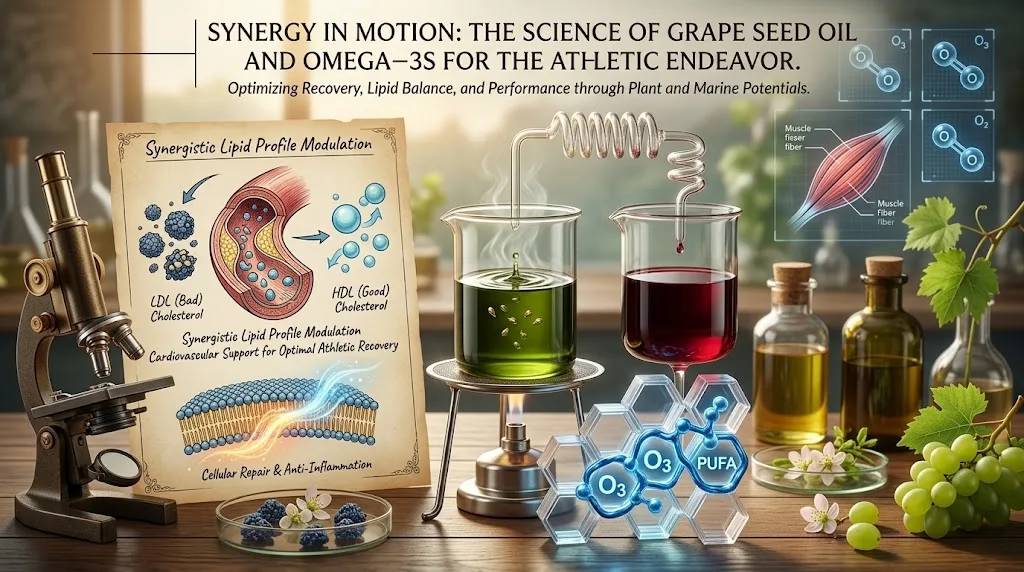
Omega-3 Fatty Acids (specifically EPA and DHA found in fish oil) are arguably the most critical baseline anti-inflammatory supplement for athletes. Their mechanism goes beyond simple blockage; the body converts EPA and DHA into powerful signaling molecules called "resolvins." As the name implies, these molecules actively resolve the inflammatory process, helping to clear out inflammatory debris. For the athlete, this translates to reduced morning stiffness and quicker functional recovery between sessions.
Curcumin, the active compound in Turmeric, is a potent modulator of the inflammatory response. It works by blocking NF-kB, a molecule that travels into the nuclei of cells and turns on genes related to inflammation. For athletes dealing with nagging, persistent joint irritation, bioavailable forms of curcumin offer a natural alternative to reliance on non-steroidal anti-inflammatory drugs (NSAIDs), which can have negative long-term side effects on gut and kidney health.
While Omega-3s are well known, Gamma-Linolenic Acid (GLA), found in high concentrations in Borage Oil, offers a unique anti-inflammatory pathway. Unlike many other omega-6 fatty acids that promote inflammation, GLA is converted into anti-inflammatory prostaglandins. This mechanism can be particularly effective in reducing joint swelling and tenderness following intense competition.
The Foundational Regulator: Vitamin D
Often overlooked in the conversation about joints is Vitamin D. While famed for its role in calcium absorption for bone density, Vitamin D receptors are found throughout the body, including in cartilage cells.
Deficiency in Vitamin D is surprisingly common among athletes, even those who train outdoors. Low levels are strongly correlated with generalized musculoskeletal pain and an increased risk of inflammatory conditions like rheumatoid arthritis. Maintaining optimal Vitamin D levels is essential for modulating the body's pain response and ensuring that the underlying bone structure supporting the joints remains robust.
Conclusion: A Proactive Strategy
There is no single magic pill that will completely negate the physical toll of elite-level sports. However, viewing supplementation as a proactive investment in structural infrastructure can significantly alter an athlete's career trajectory.
A strategic combination—utilizing structural support like glucosamine and chondroitin, alongside potent anti-inflammatory agents like high-quality Omega-3s and curcumin—creates an environment where joints are better equipped to handle stress and recover from damage. For the athlete aiming for peak performance today and continued mobility tomorrow, these targeted nutritional interventions are essential tools in the arsenal.