In the relentless pursuit of peak performance, athletes often explore various avenues to enhance their physical capabilities. Among these, prohormones have periodically surfaced as a topic of interest and controversy. Understanding their role, efficacy, and associated risks is crucial for any athlete considering their use.
What Are Prohormones?
At their core, prohormones are precursors to hormones. Unlike anabolic steroids, which are synthetic versions of hormones designed to directly impact the body, prohormones are substances that the body converts into active hormones. In the context of sport, the most commonly discussed prohormones are those that convert into testosterone or other anabolic agents. Examples include Androstenedione, Androstenediol, and Dehydroepiandrosterone (DHEA). The theory is that by introducing these precursors, an athlete can naturally elevate their endogenous hormone levels, leading to improvements in muscle mass, strength, recovery, and overall athletic performance.
The Mechanism of Action
When an athlete ingests a prohormone, it undergoes a series of enzymatic conversions within the body. For instance, DHEA can be converted into Androstenedione, which can then be further converted into testosterone. This multi-step process aims to mimic, to a degree, the body's natural hormone synthesis pathway, but with an accelerated or elevated output. The appeal lies in the idea of providing the body with the building blocks to produce more of its own performance-enhancing hormones.
Why the Focus on Testosterone?
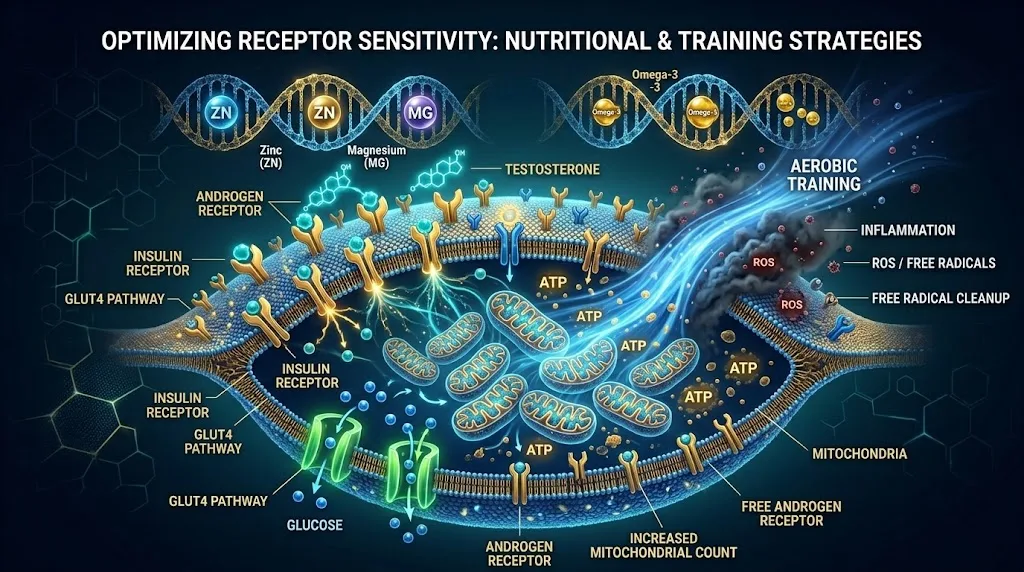
Testosterone is the primary male sex hormone and a potent anabolic steroid. It plays a critical role in muscle protein synthesis, red blood cell production, bone density, and libido. For athletes, particularly those in strength-based or power-based sports, higher testosterone levels are often associated with increased muscle mass, greater strength gains, and faster recovery between intense training sessions. While women also produce testosterone, albeit in much smaller quantities, it still contributes to their muscle development and overall vitality. The concept of prohormone use often stems from the desire to leverage these anabolic effects.
Efficacy and Variability
The effectiveness of prohormones has been a subject of extensive debate and scientific scrutiny. Early generations of prohormones, particularly those popular in the late 1990s and early 2000s, often showed inconsistent results. Factors influencing their efficacy include the specific prohormone compound, the dosage, the individual's metabolic rate, genetic predispositions, and the conversion pathways within their body. Some individuals may convert prohormones into the desired active hormones more efficiently than others. Furthermore, the extent of the hormonal increase from prohormone use is often modest compared to direct anabolic steroid administration, and sometimes negligible in terms of performance enhancement.
Risks and Side Effects
The promise of enhanced performance through prohormones comes with a significant caveat: potential risks and side effects. Because prohormones manipulate the body's hormonal balance, they can lead to a range of undesirable outcomes.
-
Hormonal Imbalance: Elevated levels of testosterone precursors can disrupt the delicate balance of the endocrine system. This can lead to undesirable conversions, such as increased estrogen levels (aromatization), which can cause gynecomastia (enlargement of male breast tissue), water retention, and mood swings.
-
Liver Strain: Oral prohormones, like many orally administered compounds, can place stress on the liver as they are metabolized. Prolonged or high-dose use can lead to liver toxicity and damage.
-
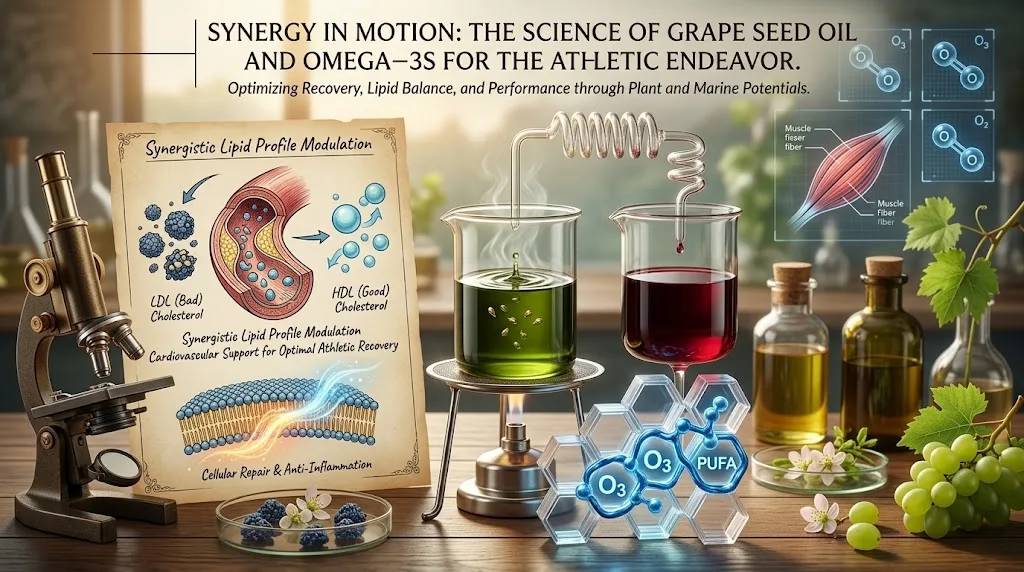
Cardiovascular Issues: Alterations in lipid profiles, including decreases in "good" cholesterol (HDL) and increases in "bad" cholesterol (LDL), are potential concerns, raising the risk of cardiovascular disease.
-
Androgenic Side Effects: Similar to anabolic steroids, prohormones can cause androgenic side effects such as acne, accelerated hair loss in those predisposed to male pattern baldness, and prostate enlargement. In women, androgenic effects can include virilization, characterized by deepening of the voice, hirsutism (excessive hair growth), and clitoral enlargement.
-
Suppression of Natural Production: The body has a feedback loop for hormone production. Introducing exogenous precursors can signal the body to reduce its own natural hormone production, leading to a temporary or even prolonged suppression of endogenous testosterone after discontinuation. This necessitates proper post-cycle therapy to restore natural hormone levels.
Legality and Anti-Doping Regulations
It is imperative for athletes to understand the legal and anti-doping implications of prohormone use. Many prohormones, even if available over-the-counter, are classified as anabolic agents by major sports organizations like the World Anti-Doping Agency (WADA) and are therefore explicitly prohibited in competitive sports. A positive test for these substances can lead to severe penalties, including suspensions and bans, effectively ending an athlete's career. The distinction between a "supplement" and a "prohibited substance" can be blurred in the marketplace, making it crucial for athletes to exercise extreme caution and verify the status of any product with official anti-doping lists.
Conclusion
While the allure of prohormones for athletic enhancement remains, a deeper understanding reveals a complex landscape of potential benefits tempered by significant risks and regulatory hurdles. The promise of an easy shortcut to superior performance is often overshadowed by inconsistent efficacy, a spectrum of adverse health effects, and the potential for career-ending doping violations. For athletes, prioritizing a holistic approach encompassing rigorous training, optimal nutrition, adequate recovery, and ethical practices remains the safest and most sustainable path to achieving their true athletic potential. Any consideration of prohormones must be weighed against these critical factors, preferably under the guidance of medical professionals and with a clear understanding of sporting regulations.