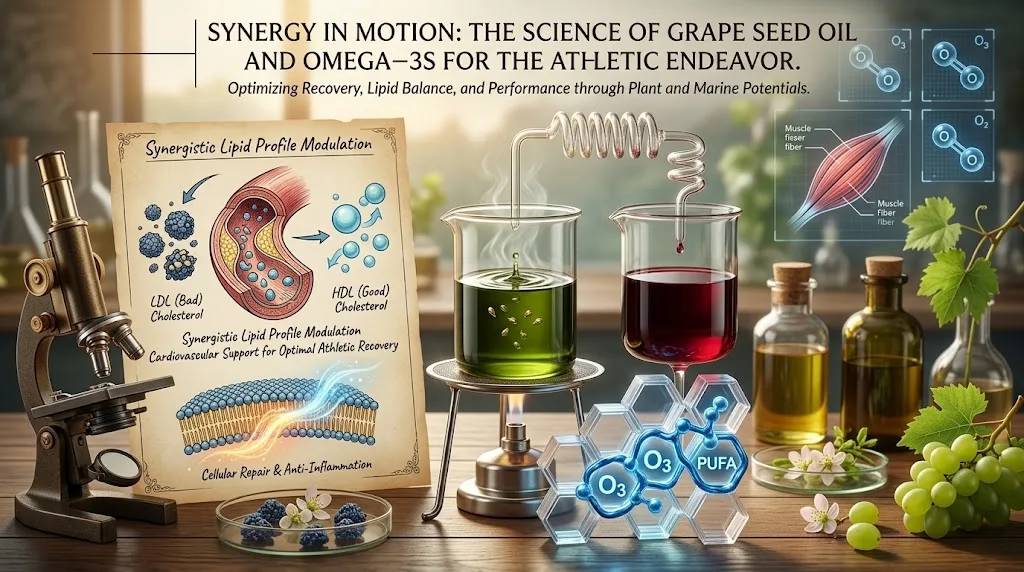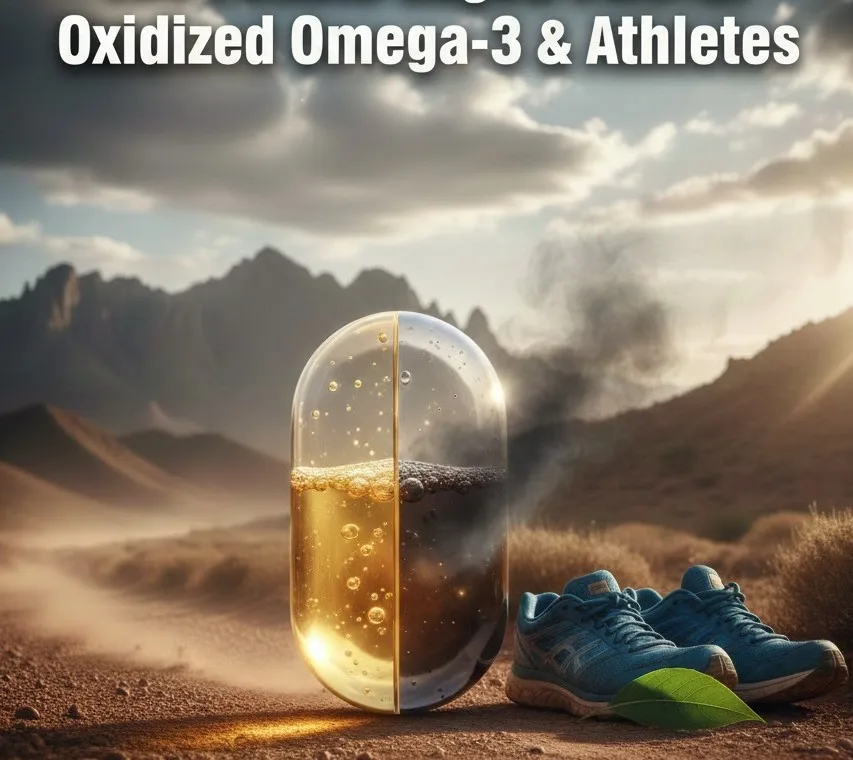

Omega-3 fatty acids are celebrated across the health and wellness spectrum, revered for their anti-inflammatory properties, cardiovascular benefits, and cognitive support. For athletes, these benefits are particularly compelling, promising enhanced recovery, reduced muscle soreness, improved joint health, and even sharper focus during competition. However, a critical yet often overlooked factor can turn this powerful ally into a potential adversary: oxidation.
The scenario of an individual taking omega-3 supplements only to find their LDL ("bad") cholesterol levels elevated is a stark reminder that not all supplements are created equal, and their efficacy is intrinsically linked to their quality and stability. For athletes, whose bodies are under constant stress and demand optimal nutrient utilization, this distinction is even more crucial.
The Athlete's Imperative: Why Omega-3 is a Game-Changer
Athletes subject their bodies to intense physical stress, leading to muscle damage, inflammation, and increased oxidative stress. Omega-3s, particularly EPA (eicosapentaenoic acid) and DHA (docosahexaenoic acid), play a vital role in mitigating these effects:
-
Inflammation Reduction: By modulating inflammatory pathways, omega-3s can accelerate recovery, reduce delayed onset muscle soreness (DOMS), and potentially lower the risk of chronic overuse injuries.
-
Cardiovascular Health: Optimal heart function is paramount for endurance athletes. Omega-3s contribute to healthy blood pressure, triglyceride levels, and arterial flexibility, all crucial for sustained performance.
-
Joint Health: The anti-inflammatory actions extend to joint tissues, offering protective benefits for athletes whose joints endure high impact and repetitive strain.
-
Cognitive Function: Focus, reaction time, and decision-making are critical in many sports. DHA, a major component of brain tissue, supports neurological health and cognitive sharpness.
The Silent Saboteur: Oxidized Omega-3
Omega-3 fatty acids, with their numerous double bonds, are inherently delicate and highly susceptible to oxidation when exposed to heat, light, and air. This process results in "rancid" oil, which no longer delivers its intended health benefits and can, in fact, become detrimental.
When an omega-3 supplement oxidizes, its chemical structure changes, forming compounds that can:
-
Increase Oxidative Stress: Instead of combating free radicals, oxidized omega-3s can contribute to the body's oxidative burden, potentially negating the very anti-inflammatory benefits athletes seek.
-
Elevate LDL Cholesterol: As observed in the initial scenario, oxidized omega-3s have been implicated in raising LDL cholesterol levels. This is counterproductive for overall cardiovascular health and can undermine an athlete's efforts to maintain optimal internal health markers.
-
Compromise Cellular Function: The byproducts of lipid peroxidation can interfere with cell membrane integrity and function, impacting everything from nutrient absorption to cellular signaling—processes vital for athletic performance and recovery.
-
Digestive Discomfort: Oxidized oils can cause gastrointestinal upset, an unwelcome distraction for any athlete.
Protecting the Investment: Ensuring Quality for Athletes
For athletes and active individuals, investing in high-quality omega-3 supplements is not just about health; it's about performance and longevity in their sport. Here are critical considerations:
-
Third-Party Testing and Certifications: Look for supplements that are third-party tested for purity, potency, and freshness (low oxidation levels). Certifications from organizations like IFOS (International Fish Oil Standards) are strong indicators of quality.
-
Manufacturing Practices: Reputable manufacturers employ stringent processes to minimize oxidation during production, including cold pressing, nitrogen flushing, and encapsulation in opaque containers.
-
Storage: Always store omega-3 supplements in a cool, dark place, and ideally, refrigerate after opening. Avoid exposing them to air for prolonged periods.
-
Taste and Smell: A strong, fishy smell or taste (beyond a mild oceanic hint) is a major red flag indicating rancidity. High-quality fish oil should be virtually tasteless or have a very mild, clean flavor.
-
Forms of Omega-3: While triglyceride forms are generally considered more stable and bioavailable, the key factor remains the quality of processing and storage.
In the pursuit of peak performance, athletes meticulously manage training, nutrition, and recovery. The role of supplementation, particularly with something as fundamental as omega-3s, cannot be overlooked. However, the benefits are contingent upon quality. Understanding the risks of oxidized omega-3 and making informed choices about supplementation ensures that this powerful nutrient remains a true ally in the athlete's journey, rather than a silent saboteur.