Optimizing Respiratory Health in Competitive Athletics - Featured image for article about steroid education
December 19, 20255 min

Optimizing Respiratory Health in Competitive Athletics

FitKolik

FitKolik

Published on December 19, 2025

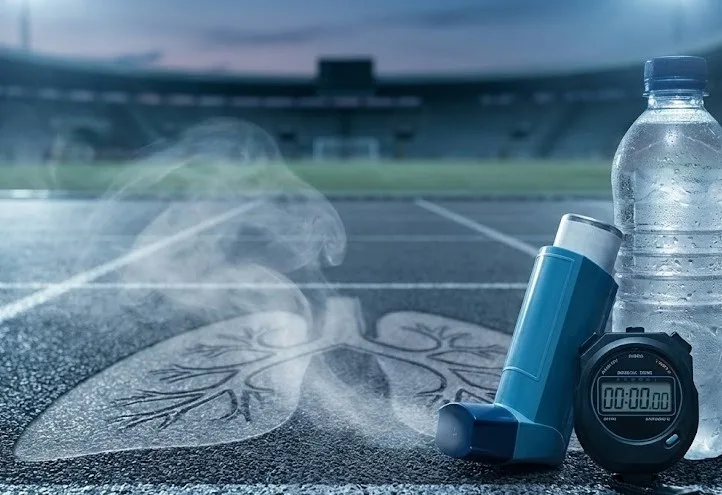
In the high-stakes world of competitive sports, the margin between victory and defeat is often measured in fractions of a second. Athletes meticulously train every muscle group, optimize their nutrition, and fine-tune their mental fortitude. Yet, one critical physiological system is often overlooked until it becomes a limiting factor: the respiratory system. The ability to efficiently deliver oxygen to working muscles is fundamental to athletic performance, and for many athletes, a hidden condition known as Exercise-Induced Bronchoconstriction (EIB) serves as an invisible barrier to reaching their full potential.

Understanding Exercise-Induced Bronchoconstriction (EIB)

Often colloquially referred to as exercise-induced asthma, EIB is a distinct phenomenon characterized by the transient narrowing of the lower airway passages during or immediately following vigorous exercise. Unlike chronic asthma, EIB is specifically provoked by high ventilation rates. When an athlete switches to mouth breathing, they bypass the nose’s ability to warm and humidify air. The influx of cold, dry air causes the airways to lose moisture, triggering inflammation and bronchial constriction.

Pharmacological Strategies for Airway Management

For athletes diagnosed with EIB, managing airway patency is essential. Medical protocols often involve a combination of acute treatments and preventative maintenance.

  • Salbutamol (Short-Acting Beta-Agonist): The standard protocol for immediate protection involves administering 2 puffs approximately 15–30 minutes before the event. This relaxes smooth muscles for a duration of 2–4 hours.

  • Montelukast (Leukotriene Receptor Antagonist): For systemic prevention, a dosage of 10 mg is typically taken 2 hours before the competition to block inflammatory chemicals called leukotrienes.

  • Ipratropium Bromide: In cases where beta-agonists are insufficient, doctors may add Ipratropium, an anticholinergic bronchodilator that provides an alternative pathway for opening the airways.

  • Inhaled Corticosteroids (ICS): For athletes with persistent underlying inflammation, daily low-dose inhaled steroids (such as Budesonide or Fluticasone) may be prescribed to reduce long-term airway sensitivity.

Targeted Nutritional Supplements

Emerging research suggests that specific dietary interventions can significantly attenuate the severity of EIB by reducing systemic inflammation and oxidative stress.

  • Omega-3 Fatty Acids (Fish Oil): High doses of EPA and DHA have been shown to reduce airway inflammation. Athletes may supplement with approximately 3.2 g of EPA and 2.2 g of DHA daily for at least three weeks to see a meaningful reduction in bronchoconstriction.

  • Vitamin C (Ascorbic Acid): As a potent antioxidant, Vitamin C helps neutralize free radicals generated during high-intensity breathing. A dosage of 1–2 g taken daily or as a "loading dose" before exercise has been shown in meta-analyses to reduce the post-exercise decline in lung function by nearly 50%.

  • Caffeine: Interestingly, caffeine acts as a mild bronchodilator. Studies indicate that a moderate-to-high dose of 6–9 mg/kg of body weight taken 1 hour before exercise can provide a protective effect similar to some pharmaceutical inhalers, though it must be balanced against heart rate considerations.

  • Sodium Restriction: High salt intake can exacerbate airway swelling. Reducing sodium intake to <1,500 mg/day may help lower the osmotic stress on the respiratory tract during competition.

The Role of Hydration and Electrolytes

The health of the mucosal membranes is heavily dependent on fluid balance. Consuming an electrolyte solution precisely 2 hours before competition ensures the body is hyper-hydrated, allowing the respiratory tissues to better withstand the drying effects of high-volume air exchange.

Physical and Environmental Strategies

Beyond drugs and supplements, how an athlete breathes and prepares can change their respiratory outcome:

  • Nasal Breathing: Training to maintain nasal breathing for as long as possible during sub-maximal efforts helps warm and filter air before it reaches the lungs.

  • Interval Warm-ups: Engaging in a series of short, high-intensity "sprints" or bursts during the warm-up can trigger a "refractory period." This natural physiological response makes the airways less likely to constrict during the actual event.

  • Environmental Protection: In cold or dry climates, using a heat-and-moisture exchange mask or a simple scarf over the mouth during the warm-up can preserve airway humidity.

Ethical Landscape and Anti-Doping

The intersection of respiratory health and performance is highly regulated. While the goal is to restore normal function, athletes must strictly adhere to WADA (World Anti-Doping Agency) thresholds. For example, Salbutamol is permitted only up to specific doses; exceeding these without a Therapeutic Use Exemption (TUE) can result in a doping violation.

Conclusion

Optimizing the respiratory system requires a multi-faceted approach. By combining precise pharmacological timing (2 puffs of Salbutamol, 10 mg of Montelukast), targeted supplementation (Omega-3s, Vitamin C, and Caffeine), and specialized physical techniques, athletes can dismantle the "invisible barrier" of EIB. This comprehensive management ensures that an athlete’s performance is limited only by their training and will—not by their ability to take the next breath.