
For athletes focused on peak performance and maximizing physiological adaptation, two complex, yet foundational, concepts come into play: the role of metabolic stress in driving muscle growth and the increasing utility of highly bioavailable metabolic modulators like Dihydroberberine (DHB). Understanding the intersection of these mechanisms is crucial for optimizing training and recovery.
The Strategic Burn: Metabolic Stress and Muscle Hypertrophy
Resistance training aims to stimulate muscle growth, or hypertrophy, through three primary mechanisms: mechanical tension, muscle damage, and metabolic stress. The latter, often felt as the familiar "burn" during high-repetition sets and short rest intervals, is a key focus in hypertrophy-specific training protocols.
Beyond the Byproducts
Metabolic stress is defined by the accumulation of metabolites—such as lactate, hydrogen ions (H+), and inorganic phosphate (Pi)—within the muscle cell due to a shift towards anaerobic energy production.
While these byproducts were once viewed simply as agents of fatigue, the modern scientific perspective suggests their role in hypertrophy is more indirect and strategic:
-
Motor Unit Recruitment: The build-up of metabolites and the resulting cellular environment (including local hypoxia and a drop in pH) increase muscle fatigue. This fatigue forces the body to recruit a greater number of high-threshold, fast-twitch muscle fibers, which have the greatest potential for growth, to maintain the workload.
-
Cellular Swelling: The accumulation of fluid and metabolites inside the muscle cell creates a phenomenon known as the "muscle pump," or cellular swelling. This pressure is hypothesized to be an anabolic signal, sensed by the cell as a threat to its structural integrity, triggering pathways to reinforce and enlarge the muscle tissue.
-
Hormonal Response: Metabolic stress is also strongly correlated with an acute increase in the release of anabolic hormones like Growth Hormone (GH) and Insulin-like Growth Factor-1 (IGF-1), which support the repair and rebuilding process.
For athletes, strategically inducing this stress through techniques like drop sets, supersets, and short rest periods is a powerful, indirect method to force the recruitment of dormant muscle fibers and accelerate adaptation.
Dihydroberberine: Optimizing the Athlete’s Metabolic Engine
While training is a catabolic and adaptive stressor, performance is ultimately governed by the body’s ability to efficiently manage energy and recover. This is where modern metabolic support, particularly compounds with enhanced bioavailability, enters the picture.
Berberine is a well-studied plant compound known for its strong effects on glucose and lipid metabolism, primarily by activating AMP-activated protein kinase (AMPK)—often dubbed the "master regulator" of cellular energy. However, its therapeutic use has historically been limited by poor oral bioavailability, meaning only a fraction of the dose is absorbed and enters the bloodstream.
The Bioavailability Advantage
Dihydroberberine (DHB) is a hydrogenated derivative of Berberine that demonstrates significantly improved absorption and bioavailability. This molecular modification allows DHB to more readily bypass the digestive tract's absorption hurdles, leading to higher active concentrations in the blood and more potent effects at the cellular level.
Metabolic Significance for Athletes
The key mechanisms of DHB hold particular relevance for competitive athletes:
-
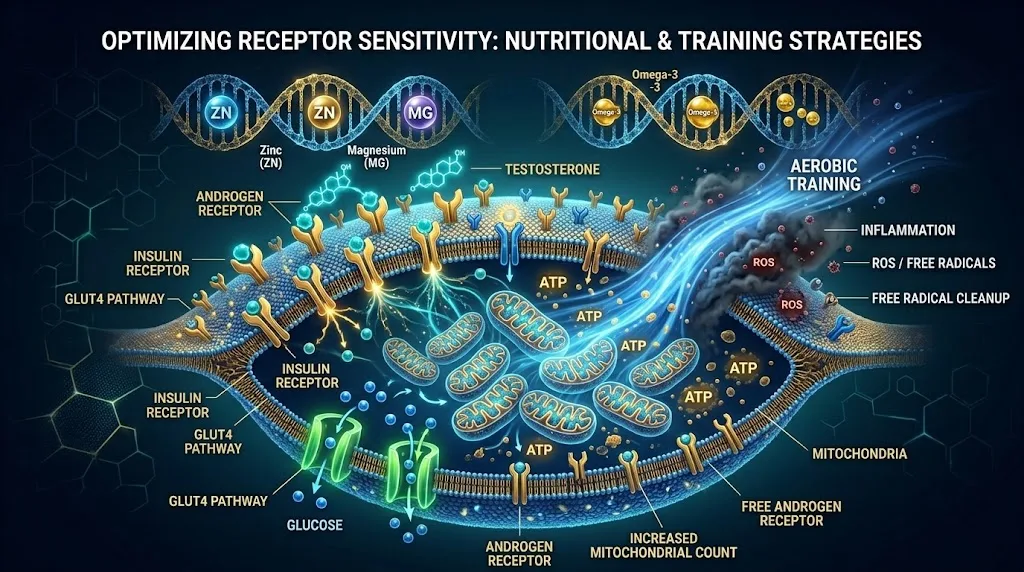
Enhanced Glucose Disposal and Insulin Sensitivity: DHB has been shown to improve insulin sensitivity and regulate key enzymes like glucokinase, normalizing insulin secretion. For an athlete, this translates to improved efficiency in transporting glucose (the primary fuel for high-intensity exercise) into muscle cells, ensuring better energy utilization and faster glycogen replenishment post-workout.
-
AMPK Activation: By activating AMPK, DHB helps muscles switch to a more favorable metabolic state. AMPK promotes glucose uptake and fat oxidation, which is crucial for endurance athletes needing to conserve glycogen and utilize fat for prolonged activity, and for physique athletes seeking to reduce body fat while maintaining muscle mass.
-
Mitochondrial Function and Endurance: Preliminary research suggests DHB may enhance muscle function by activating the AMPK/SIRT1/PGC-1alpha signaling pathway, which is integral to mitochondrial biogenesis (the creation of new mitochondria). Healthier and more numerous mitochondria are directly linked to increased ATP production, reduced fatigue, and improved exercise endurance and oxygen carrying capacity of red blood cells (RBCs).
In competitive contexts, where athletes may be undergoing intense training blocks or utilizing compounds that negatively impact insulin sensitivity (such as during a steroid cycle), DHB represents a promising tool for maintaining robust metabolic health and ensuring the muscle remains highly responsive to anabolic signals.
Conclusion
Optimal athletic performance is a synergy between intentional training stimulus and superior metabolic management. Metabolic stress is an essential training signal, indirectly compelling muscle fibers to grow through fatigue-induced recruitment. Simultaneously, compounds like Dihydroberberine offer a means to optimize the athlete’s internal environment, ensuring that the fuel (glucose) is efficiently delivered to the high-demand muscle, mitochondrial function is supported, and the body’s recovery machinery is operating at peak efficiency. This dual approach—stressing the system via training and supporting it via advanced nutrition—defines the cutting edge of modern sports physiology.