
In the pursuit of peak performance, athletes push their bodies to the absolute limit. While muscles grow stronger with progressively tougher training, the connective tissues—joints, tendons, and ligaments—often bear the brunt of this intense physical demand. The repetitive impact of running, the torque of pivoting on a court, or the heavy loads of weightlifting can accelerate normal wear and tear, leading to chronic inflammation, cartilage degradation, and eventual pain that hinders performance.
For the serious athlete, longevity in sport is not just about training harder; it is about recovering smarter. Beyond adequate rest, hydration, and macronutrient intake, targeted supplementation has emerged as a critical strategy for "prehab"—proactively protecting joint structures before debilitating injuries occur.
A comprehensive approach to joint supplementation focuses on three primary goals: reinforcing structural integrity, managing exercise-induced inflammation, and optimizing systemic health.
Reinforcing Structural Integrity
The foundation of a healthy joint is cartilage, the slippery tissue that cushions bone ends and allows for smooth movement. Several supplements aim to provide the building blocks necessary to maintain this crucial shock absorber.
Glucosamine and Chondroitin Sulfate are perhaps the most recognized foundational supplements. They are often used synergistically. Glucosamine plays a role in forming cartilage compounds, while chondroitin helps cartilage retain water, which is essential for its elasticity and shock-absorbing properties. For athletes involved in high-impact sports, regular supplementation may help delay the natural breakdown of cartilage tissue and maintain joint fluid dynamics.
Another powerful tool for structural defense is the combination of Avocado and Soybean Unsaponifiables (ASU). This vegetable extract functions differently than glucosamine. ASU appears to protect synovial cells—the cells that line the joint capsule—and may encourage the growth of healthy connective tissue. It is particularly noted for its supportive role in load-bearing joints like the knees, often helping to reduce stiffness associated with overuse.
Managing Inflammation and Enhancing Recovery
Acute inflammation is a natural and necessary part of the healing process after intense training. However, chronic, low-grade inflammation resulting from insufficient recovery can degrade joint tissue over time and lead to persistent stiffness.
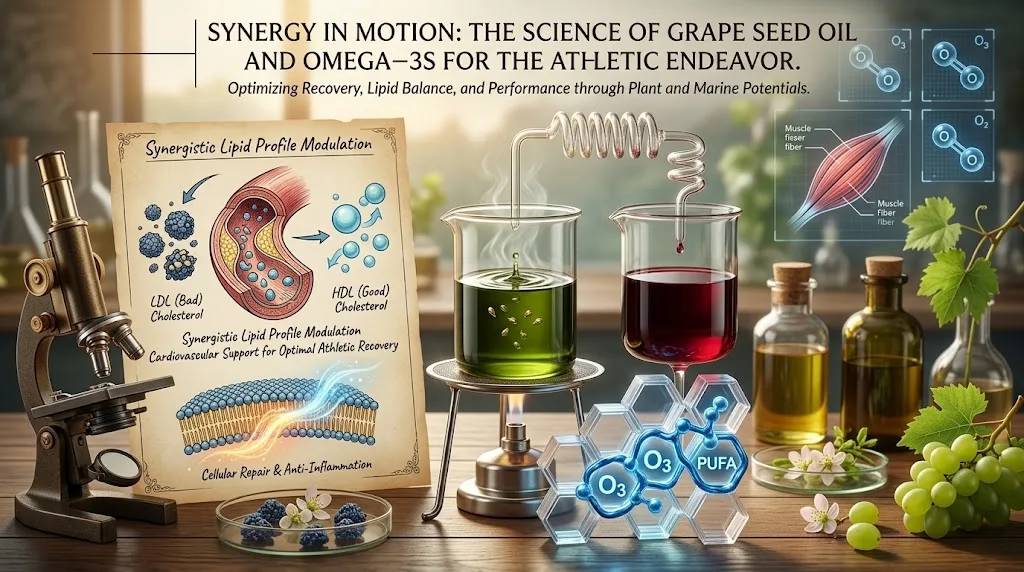
Omega-3 Fatty Acids (specifically EPA and DHA found in fish oil) are cornerstones of an anti-inflammatory athletic protocol. The body converts these potent fats into specialized chemicals called resolvins, which actively help resolve inflammation and mitigate joint stiffness. For athletes, consistent high-quality fish oil intake is crucial for counteracting the inflammatory stress of daily training.
Nature offers other potent anti-inflammatory agents as well. Turmeric, particularly its active compound curcumin, has shown significant promise in blocking proteins that trigger swelling and pain. Over time, regular use can improve range of motion, a critical factor for athletic performance. Similarly, Frankincense (Boswellia Serrata), used for centuries in traditional medicine, contains active acids that help inhibit inflammatory enzymes, aiding in movement and potentially delaying cartilage loss.
Furthermore, Borage Oil is a rich source of Gamma-Linolenic Acid (GLA), a unique fatty acid with strong anti-inflammatory properties that can help manage general joint swelling.
The Systemic Foundation
Finally, overall musculoskeletal health cannot be achieved without adequate Vitamin D. Deficiencies in Vitamin D are surprisingly common among athletes, even those who train outdoors. Low levels are often correlated with chronic musculoskeletal pain and slower recovery rates. Ensuring optimal Vitamin D levels is essential for bone health and immune function, both of which indirectly support joint integrity.
Strategic Implementation for the Athlete
It is vital to understand that joint supplements are not performance-enhancing drugs that offer immediate results. They are long-term structural investments. Unlike a pre-workout stimulant, these compounds require consistent use over weeks or months to build up in tissues and manifest noticeable benefits.
Furthermore, supplementation should never replace a nutrient-dense diet, proper sleep, and appropriate training load management. They are meant to supplement a solid foundation, not fix a broken one.
Athletes subject to anti-doping regulations must also exercise extreme caution regarding product quality. Choosing supplements that are third-party tested for purity and banned substances is non-negotiable.