
In the pursuit of peak physical performance, the use of intramuscular (IM) injections—ranging from legal therapeutic treatments like corticosteroids to banned performance-enhancing drugs (PEDs)—remains a common, yet often misunderstood, practice among athletes. A common misconception in fitness circles is the idea of "local action": the belief that an injection into a specific muscle will confine its effects to that area. In reality, the human body operates as a highly integrated system where the point of entry is merely the start of a complex physiological journey.
The Physiological Pathway
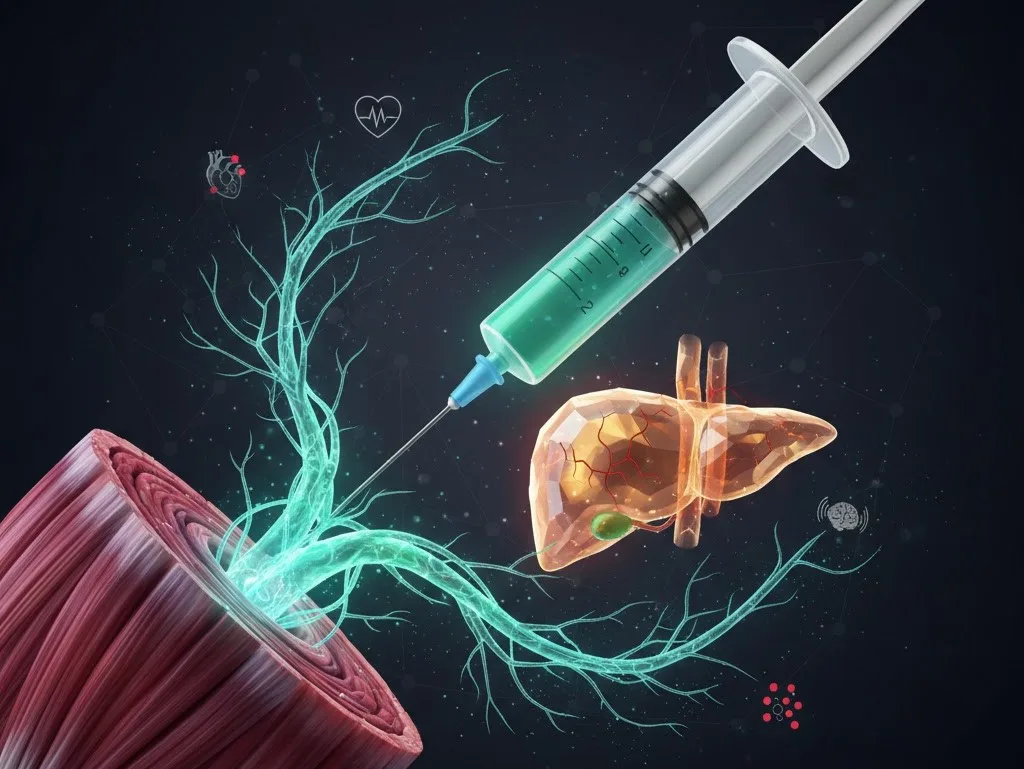
When a substance is injected into the muscle tissue (intramuscularly), it does not simply sit there to grow the muscle from within. Its journey follows four critical phases:
-
Intramuscular Deposition: The substance is deposited into the muscle fibers. Depending on whether the carrier is oil-based or water-based, the substance begins to slowly leak into the surrounding environment.
-
Capillary Absorption: The muscle is a highly vascularized tissue. Microscopic blood vessels, or capillaries, surrounding the injection site act as the gateway. Through a process of diffusion, the drug crosses the capillary walls and enters the bloodstream.
-
Systemic Circulation: Once in the blood, the substance is no longer "local." It travels through the venous system, eventually reaching the heart and being pumped to every organ in the body. This is why an injection in the gluteus can result in hair loss on the head or acne on the back.
-
Hepatic Metabolism: One of the most critical stops is the liver. The liver acts as the body’s primary chemical processing plant. It identifies the foreign substance and attempts to metabolize it, breaking it down into metabolites that can eventually be excreted.
Performance vs. Pathology: The Athlete's Trade-off
For an athlete, understanding this journey is vital for distinguishing between therapeutic recovery and systemic damage.
1. The Myth of Localized Hypertrophy
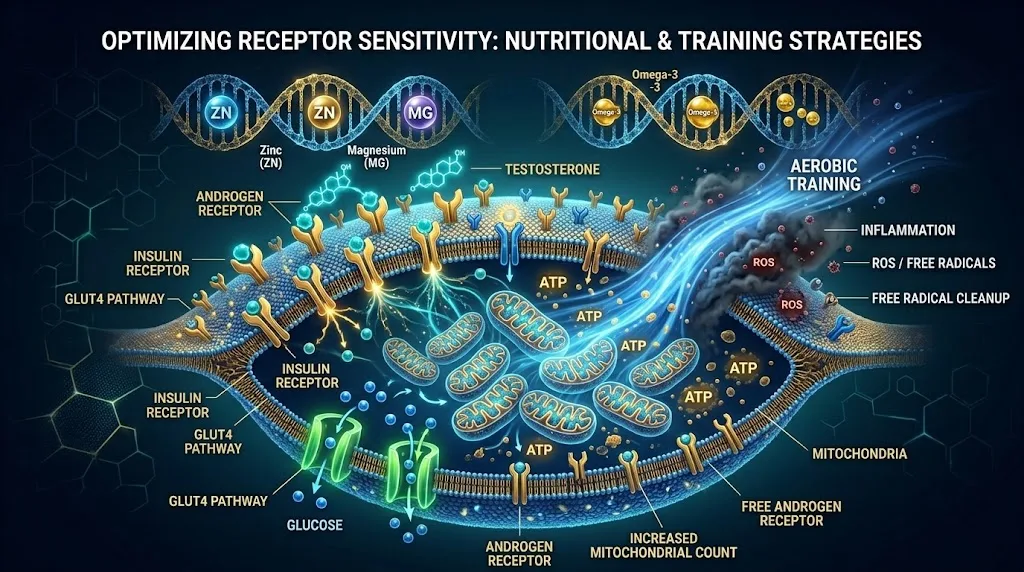
While some substances (like site-enhancement oils) may cause temporary local swelling, true muscle growth (hypertrophy) is a systemic hormonal process. When an athlete uses anabolic-androgenic steroids (AAS), the drug must reach androgen receptors throughout the body to stimulate protein synthesis. The "muscle-building" effect is a result of the drug circulating through the entire system, not just the muscle where the needle entered.
2. The Burden on the Liver
The liver is often the silent victim of athletic enhancement. Synthetic substances, especially those modified to survive the "first-pass" metabolism, place immense stress on hepatic cells. This can lead to:
-
Cholestasis: A condition where bile flow from the liver stops or slows, leading to jaundice.
-
Peliosis Hepatis: The formation of blood-filled cysts in the liver, which can lead to liver failure or internal bleeding.
-
Elevated Liver Enzymes: A common marker in athletes indicating that the liver is struggling to process the chemical load.
3. Systemic Side Effects
Because the drug enters the general circulation, its impact is far-reaching. Athletes may experience cardiovascular strain, such as left ventricular hypertrophy (enlargement of the heart), altered cholesterol profiles, and psychological shifts often referred to as "roid rage." These are not local complications; they are the direct result of the drug's systemic journey.
Conclusion
The "muscle builder" in a vial is never a local solution. From the moment the needle penetrates the fascia, the body’s circulatory and metabolic systems take over. For the modern athlete, the "edge" provided by such substances comes at a systemic cost that often outweighs the localized gain. True athletic longevity relies on respecting the body's internal chemistry and understanding that what goes into one muscle eventually affects every cell.