
For athletes and fitness enthusiasts, optimizing hormonal balance is a cornerstone of performance, recovery, and overall well-being. Testosterone Replacement Therapy (TRT)—or other prescribed hormonal support—is a medical protocol that requires careful attention to dosage and, critically, the method of administration. The choice between Subcutaneous (SubQ) and Intramuscular (IM) injection protocols is a key debate, and its implications extend directly to an athlete's physical stability and training consistency.
Subcutaneous vs. Intramuscular: A Performance Perspective
Traditionally, testosterone esters like cypionate or enanthate have been delivered via Intramuscular (IM) injection, driven deep into a large muscle mass like the glute or quad.
-
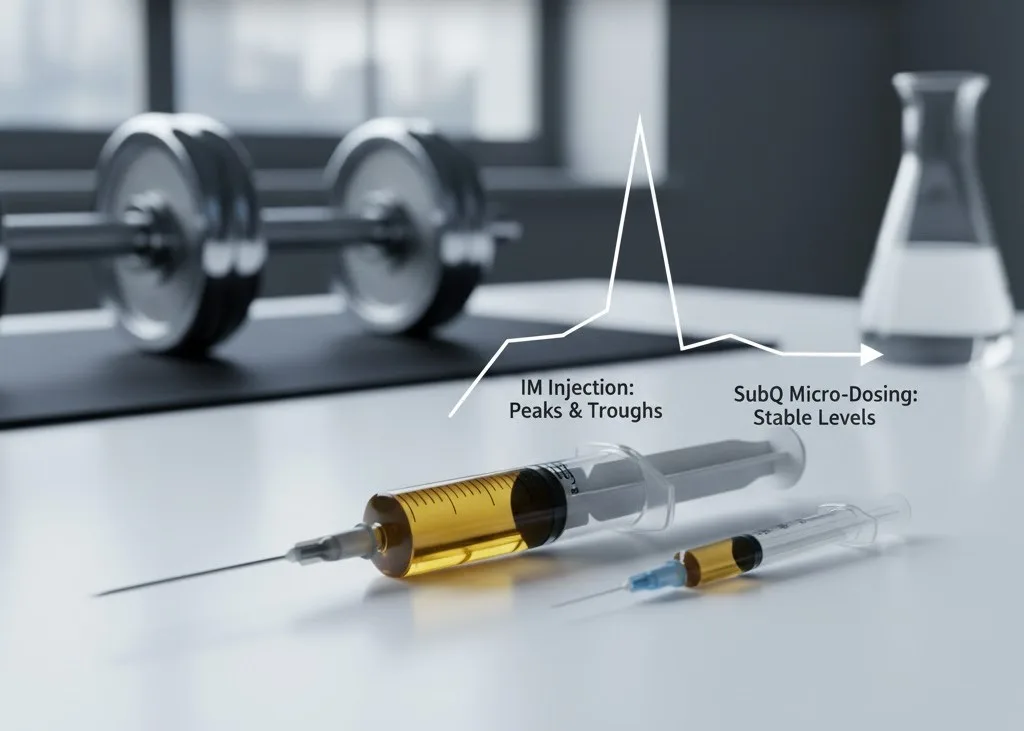
IM Injection Profile: This method is characterized by rapid absorption into the bloodstream, leading to high peak testosterone levels shortly after injection, followed by a relatively significant decline (a "trough") before the next dose. For an athlete, these peaks and troughs can translate into noticeable fluctuations in mood, energy, and even strength, potentially disrupting training focus and recovery quality. IM injections also require a longer, larger-gauge needle, which can cause more post-injection soreness or muscle tightness—a significant hindrance to training schedules.
-
SubQ Injection Profile: Administered into the fatty layer just beneath the skin, Subcutaneous (SubQ) injection uses a smaller, less intimidating needle. Studies suggest that the testosterone from a SubQ injection is absorbed more slowly and evenly into the bloodstream. This typically results in more stable, level hormone concentrations over time, with fewer dramatic peaks and troughs. For an athlete, this stability is a major advantage, mitigating the hormonal "rollercoaster" and promoting consistent energy, mood, and recovery metrics throughout the week.
Ultimately, while both methods are effective at raising testosterone levels, the SubQ route often offers a pharmacokinetic profile that better supports the daily demands of intense athletic training.
The Advantage of Micro-Dosing
The pursuit of stable hormone levels has driven the rise of micro-dosing protocols, particularly when utilizing the subcutaneous route.
Instead of administering a large, single dose once every one to two weeks—the standard IM approach—a micro-dosing strategy involves dividing the total weekly dose into smaller, more frequent injections (e.g., every two or three days).
-
Minimizing Side Effects: Oil-based injections, when delivered in large volumes, can lead to the formation of small, sometimes painful lumps or nodules at the injection site. By splitting the volume into micro-doses, the amount of fluid injected at any single site is drastically reduced, helping to prevent these localized complications.
-
Enhancing Consistency: The most significant benefit for an athlete is the maintenance of a steady-state hormonal environment. By continually topping up the testosterone levels, micro-dosing avoids the dramatic end-of-cycle drop, optimizing the anabolic and restorative effects of the hormone for continuous performance gains and reducing mood variability.
Injection Site Rotation: Protecting Training Integrity
Regardless of the chosen method, adherence to a strict injection site rotation protocol is essential for any athlete. The repetitive injection of an oil-based solution into the same small area, whether muscle or fat, can lead to localized tissue damage, inflammation, and scarring.
For the athlete, injection site issues can directly impede performance:
-
Muscle Injection (IM): Repeated use of the same muscle can cause scar tissue formation and soreness, potentially limiting range of motion or causing pain during heavy lifting or explosive movements.
-
Subcutaneous Injection (SubQ): Repeated use of the same SubQ site can lead to firm, tender nodules (lumps) that impair future absorption and cause discomfort.
The general principle is to use a different spot for every injection, allowing the previously used tissue ample time to heal. For SubQ injections, practitioners recommend avoiding the dense, central fatty areas of the abdomen and focusing on the less sensitive side regions to minimize the chance of lump formation and ensure proper delivery. This strategic planning ensures that localized reactions do not interfere with the body's functional muscles or overall training comfort.