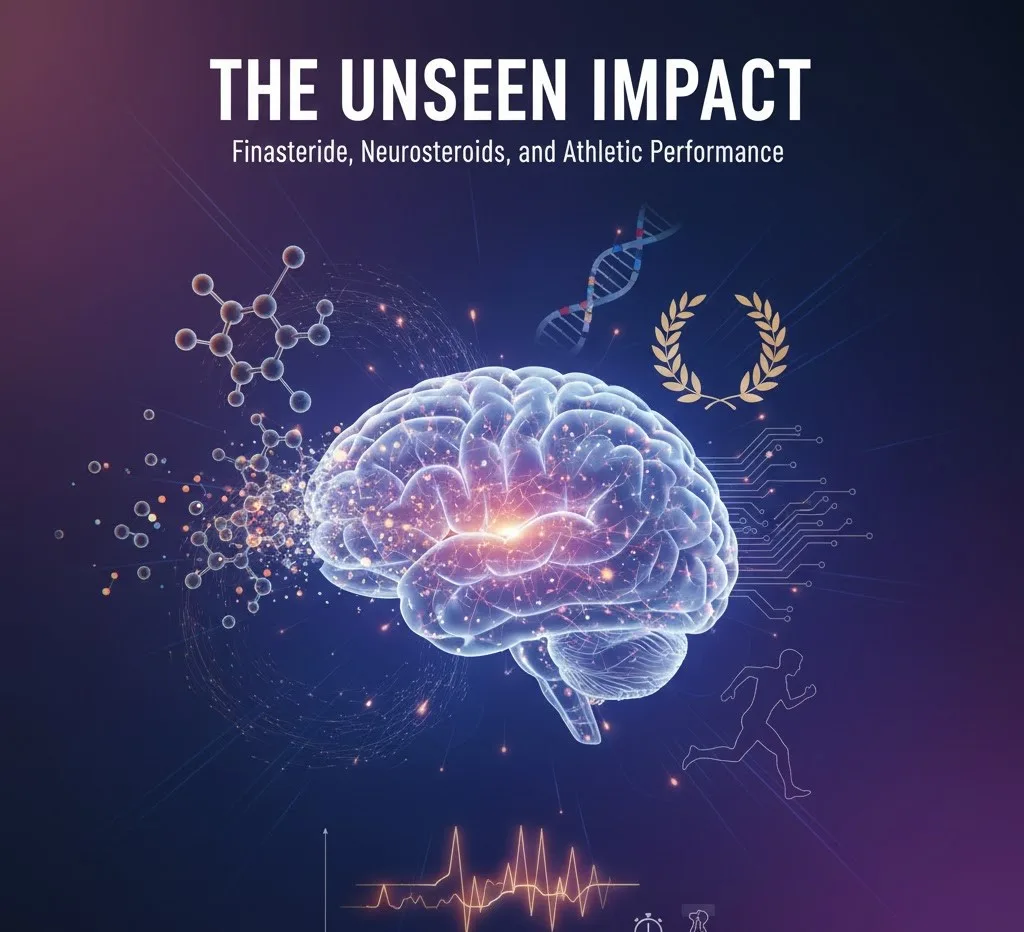

Finasteride, a common medication prescribed for male pattern baldness, operates by inhibiting 5-alpha reductase, an enzyme crucial for converting testosterone into dihydrotestosterone (DHT). While its efficacy in preventing hair loss is well-established, a deeper dive into its biochemical pathways reveals potential implications that extend far beyond the scalp, particularly for athletes. The discussion often focuses solely on DHT reduction, overlooking a critical consequence: the disruption of neurosteroid synthesis, which could subtly yet significantly impact athletic performance, mental acuity, and recovery.
For athletes, peak physical and mental condition is paramount. Every training session, competition, and recovery period demands optimal physiological functioning. Testosterone and its metabolites play multifaceted roles in this complex equation. While DHT is widely known for its androgenic effects on hair follicles and prostate, it is also a vital precursor in the synthesis of certain neurosteroids within the brain and peripheral nervous system.
Neurosteroids are endogenous steroids that rapidly alter neuronal excitability by interacting with ligand-gated ion channels, most notably GABA-A receptors. These interactions profoundly influence mood, anxiety, stress response, sleep, and cognitive functions such as focus and reaction time. For an athlete, these are not peripheral concerns; they are fundamental to success. Optimal sleep is critical for muscle repair and hormonal regulation. A stable mood and reduced anxiety enhance mental resilience under pressure. Sharp cognitive function and rapid reaction times are decisive in competition.
When finasteride inhibits 5-alpha reductase, it not only lowers systemic DHT levels but also consequently reduces the production of neurosteroids like allopregnanolone and tetrahydrodeoxycorticosterone (THDOC). These neurosteroids are potent positive allosteric modulators of GABA-A receptors, meaning they enhance the inhibitory effects of GABA. A decrease in these neurosteroids could theoretically lead to reduced GABAergic tone, potentially resulting in:
-
Impaired Sleep Quality: Neurosteroids are known to promote restful sleep. Their reduction could manifest as difficulties falling asleep, maintaining sleep, or achieving deep, restorative sleep, directly impacting physical recovery and hormone balance crucial for athletes.
-
Increased Anxiety and Stress Sensitivity: Athletes operate under immense pressure. Neurosteroids play a key role in modulating stress responses and fostering a sense of calm. A deficiency could exacerbate pre-competition anxiety, hinder focus, and impair an athlete's ability to "stay in the zone."
-
Subtle Cognitive Deficits: While not as dramatic as severe neurological impairment, even minor reductions in focus, memory consolidation, or reaction time could be detrimental in high-stakes athletic environments where milliseconds and split-second decisions matter.
-
Altered Mood and Motivation: Fluctuations in neurosteroid levels have been linked to mood disorders. A subtle but persistent shift in mood or a decrease in motivation could undermine an athlete's consistency in training and their drive to compete.
Furthermore, the impact of finasteride extends to the athlete’s hormonal milieu. While testosterone levels may slightly increase due to reduced conversion to DHT, the overall androgenic environment shifts. This altered balance, coupled with the neurosteroid implications, presents a complex physiological landscape that warrants careful consideration for any athlete using the medication.
The challenges in research lie in isolating these subtle effects. Athletes are subjected to numerous stressors, dietary changes, and training regimens that can all influence the very parameters potentially affected by finasteride. However, a growing body of anecdotal reports and emerging scientific interest suggest that the impact of finasteride on neurosteroids is a facet that cannot be overlooked, especially in populations striving for peak physical and mental performance.
For athletes and their medical teams, a comprehensive understanding of finasteride's systemic effects is vital. The conversation needs to extend beyond hair loss and into the nuanced interplay of hormones and neurosteroids that govern an athlete's complete physiological and psychological state. Informed decisions, potentially including alternative treatments or rigorous monitoring, become crucial when balancing aesthetic concerns with the demands of elite athletic performance.
This complex interaction between a common medication and the intricate neuroendocrine system highlights the need for a more holistic perspective in sports medicine, ensuring that an athlete's pursuit of excellence is supported by a full appreciation of all factors influencing their performance and well-being.